
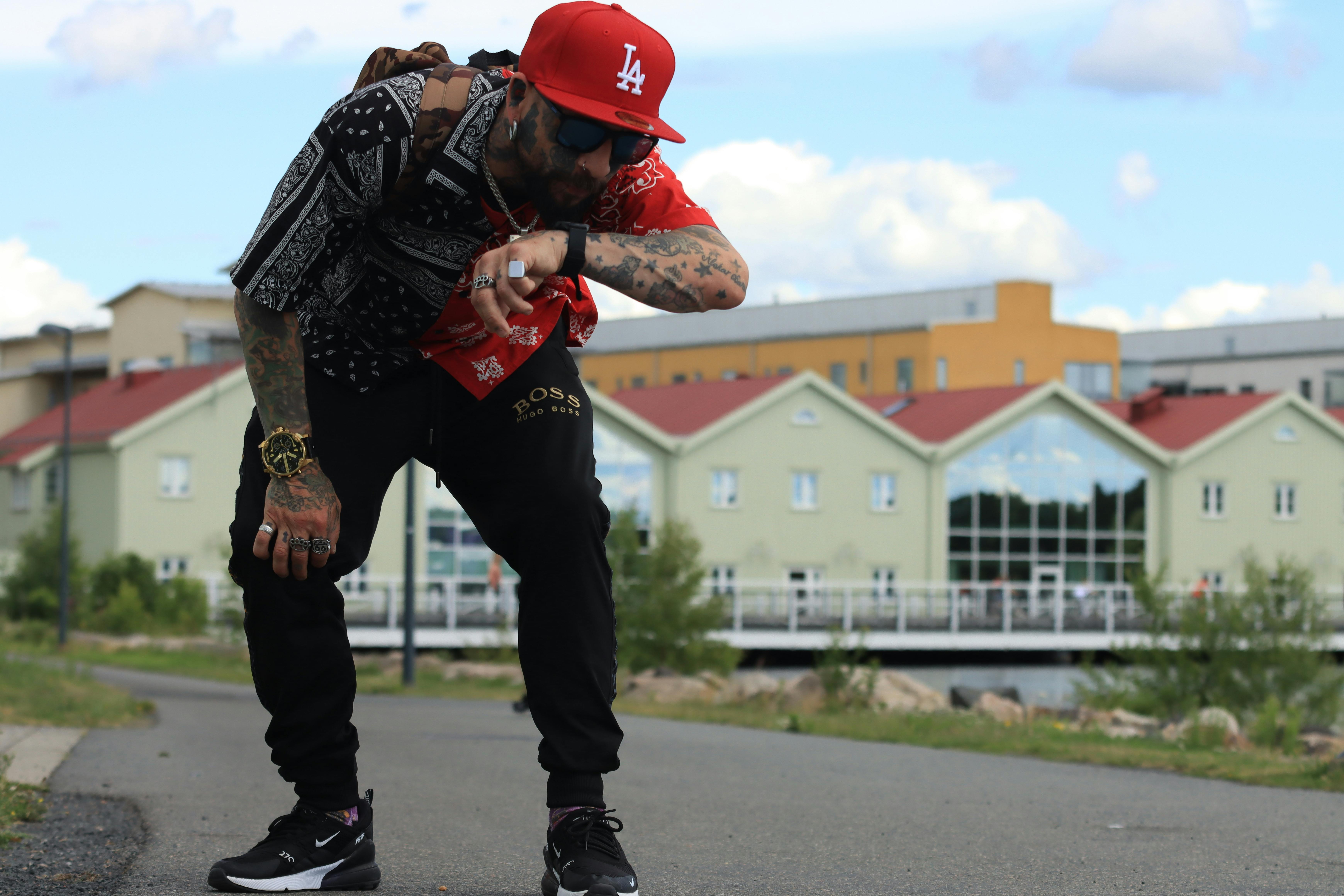
Graphic printing is central to streetwear and it repeatedly runs into intellectual property law. The friction is structural, because the visual language of the category is built from material other people own.
Borrowing is the aesthetic, not an accident
Streetwear grew from a practice of appropriating recognisable imagery, including corporate logos, sports insignia, film stills and album artwork.
The recognition is the point, since the design works by placing a familiar mark in an unfamiliar context and letting the viewer notice the transposition.
A version that removed the reference would not simply be safer, it would lose the meaning that made it worth printing.
Trademark and copyright cover different things
Copyright protects a specific creative work such as an illustration or a photograph, and it lasts a long time after creation.
Trademark protects a mark identifying a business, and it is concerned with whether consumers might be confused about who made a product.
A graphic can infringe one, the other, or both, and the defences available differ between them, which is why outcomes in apparently similar cases diverge.
Parody defences are narrower than assumed
Many designs are described as parody, but legal treatment of parody varies substantially between jurisdictions and depends on the specific use.
Commenting on the brand being referenced is treated differently from simply using its recognisability to sell a shirt.
Because the assessment is fact-specific and expensive to litigate, most disputes are resolved by a demand letter and a withdrawal rather than by a decision.
Small labels operate on withdrawal rather than clearance
Clearing rights before production costs legal time and often a licence fee, which a small run cannot support.
The practical pattern is to print a limited quantity, sell through quickly, and withdraw the design if a complaint arrives.
The scarcity that results is partly a consequence of that exposure, and withdrawn designs frequently become the most sought-after pieces a label has made.
Established brands take the opposite route
Once a label has assets worth pursuing, the calculation reverses and unlicensed borrowing becomes a serious liability.
Larger streetwear brands therefore license properly, collaborate formally with the owners of the imagery, or build original graphic language of their own.
That transition is visible in the output of most labels that have grown, and it is one of the clearer markers of a brand moving from subculture to industry.