
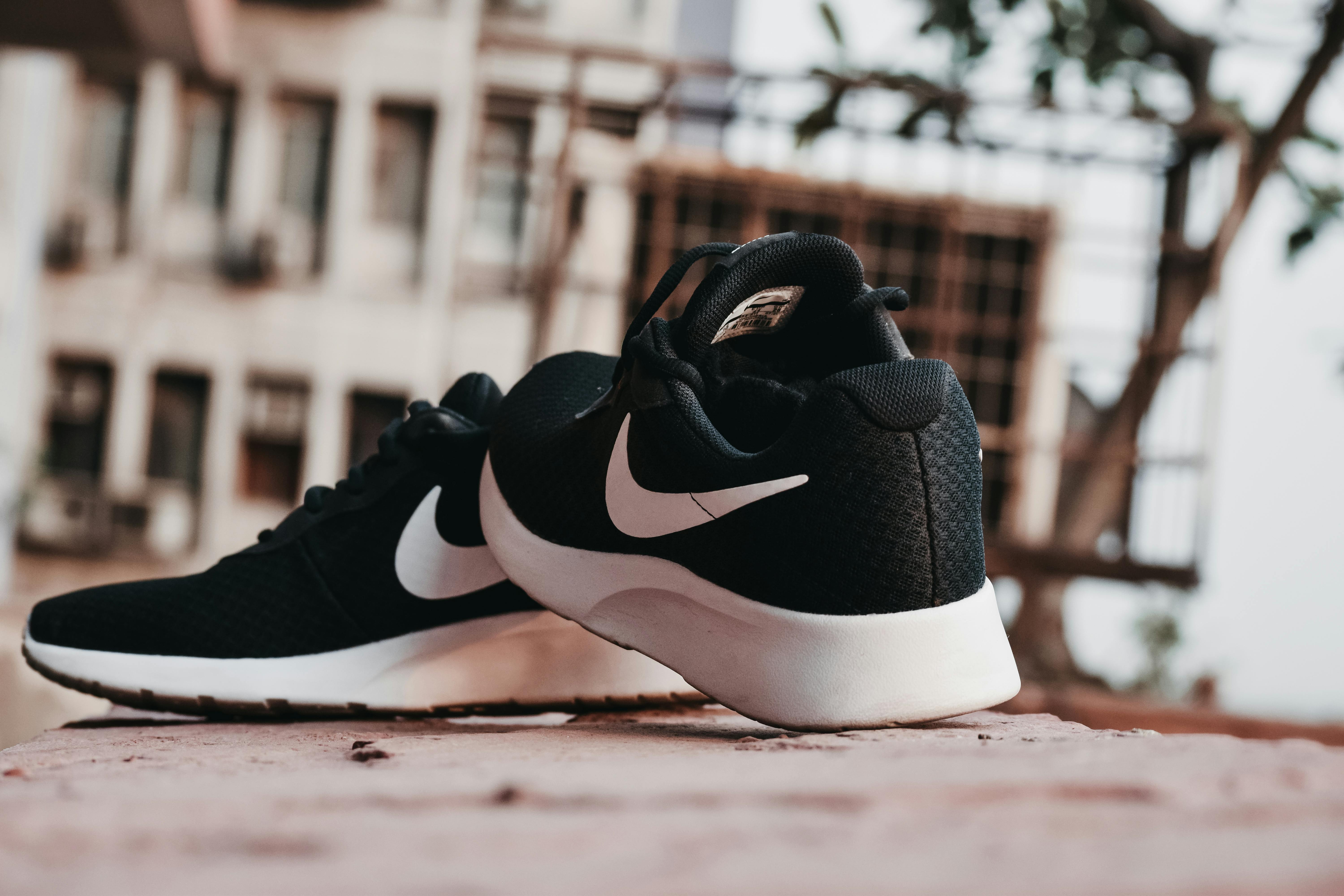
Running shoes are commonly replaced while they still look serviceable, and the guidance is expressed in distance rather than in visible condition. The reason is that the part doing the work is invisible from outside.
The midsole is the component under load
Between the outsole and the footbed sits a layer of foam, and this layer absorbs and returns energy on every footstrike.
It is a gas-expanded polymer, a matrix of tiny cells with thin walls, and compression works by those walls flexing and the gas moving.
Everything the shoe is marketed for, from cushioning to energy return, is a property of this layer rather than of the upper or the tread.
Cell walls fail gradually and permanently
Each compression cycle flexes the cell walls, and repeated flexing eventually causes them to buckle and stay buckled.
The foam then sits at a lower resting height and returns less of the energy put into it, so the shoe feels flatter and duller underfoot.
Because the change accumulates over thousands of cycles rather than appearing at once, most runners register it as a vague loss of liveliness rather than as a fault.
Recovery time explains rotation
Foam recovers a portion of its compression over hours after use, as the structure relaxes and gas redistributes through the cells.
A shoe worn again immediately begins its next session partially compressed, so the same load is applied to a less capable structure.
Rotating between pairs allows full recovery between uses, and it is the mechanical reason rotation extends total mileage across a set of shoes.
Outsole wear is a poor indicator
The rubber outsole is chosen for abrasion resistance and often outlasts the foam above it by a wide margin.
An upper made from engineered mesh shows little wear beyond creasing, so the visible parts of the shoe give no signal about the midsole.
The available external clues are compression lines in the foam sidewall and a midsole that no longer springs back when pressed with a thumb.
Mileage figures are averages, not measurements
Quoted replacement ranges are derived from testing across many runners and many shoes, and the spread around them is wide.
Runner weight, running surface, gait and foam type all change the rate, and lighter, softer foams generally degrade faster than dense ones.
Anyone experiencing pain or a change in how they run should raise it with a qualified professional rather than treating new shoes as the answer, since footwear is only one of several possible factors.