
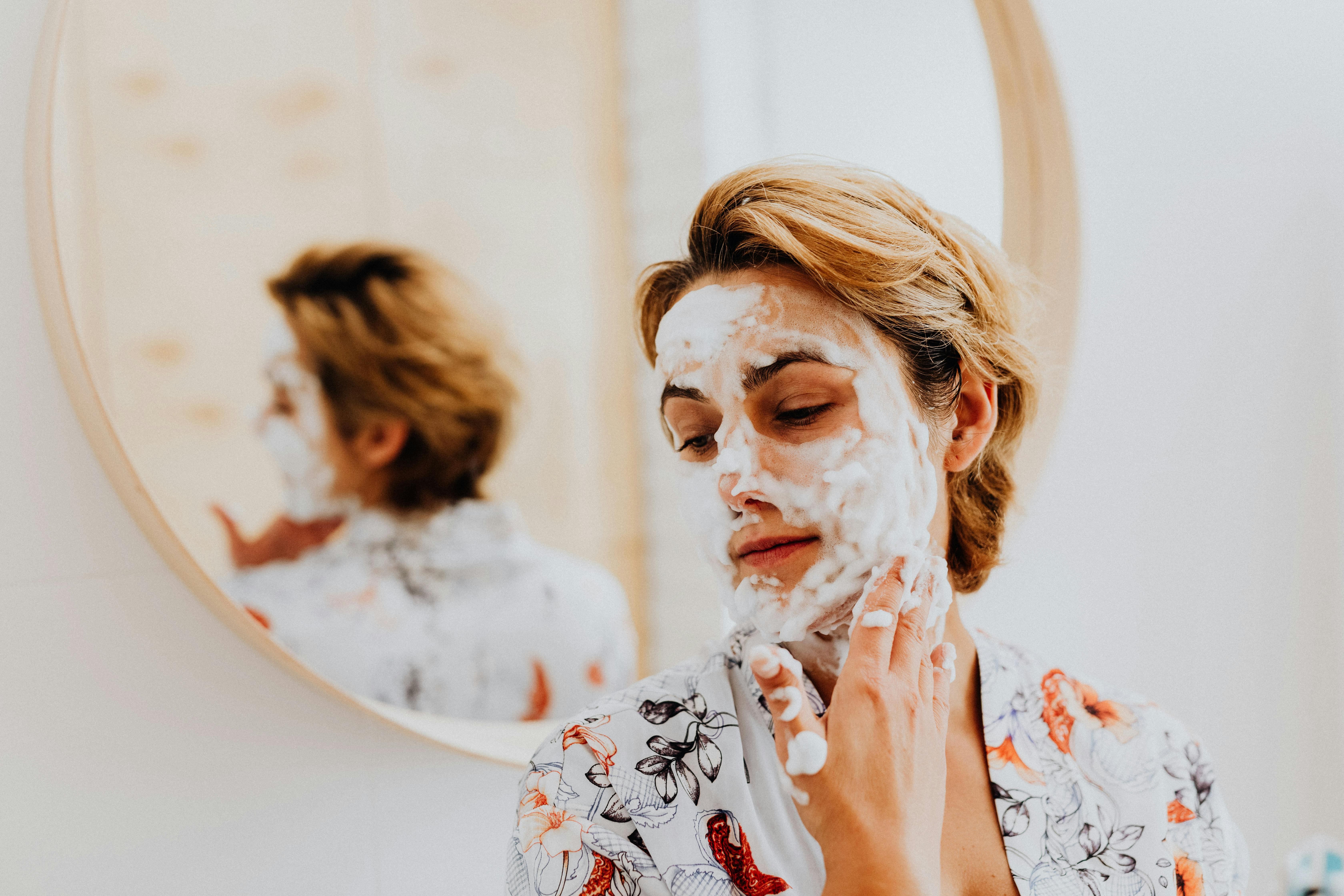
Skin becomes dry and tight during American winters, and the usual explanation blames cold weather. The mechanism is mostly indoors, and it involves how heating changes air.
Cold air holds very little moisture
The amount of water vapor air can hold rises steeply with temperature, so cold outdoor air carries a small absolute quantity of moisture even when it feels damp.
Bringing that air indoors and heating it raises its capacity dramatically without adding any water to it.
Relative humidity therefore falls sharply, and heated interiors in winter can be drier than the outdoor conditions people assume are responsible.
Dry air pulls water from the skin
Water moves continuously from the deeper layers of skin outward and evaporates from the surface, a process that occurs whether or not a person is sweating.
The rate depends on the difference between the moisture in the skin and the moisture in the surrounding air, so dry air accelerates it.
The outer layer requires a certain water content to remain flexible, and below that threshold it becomes stiff and prone to cracking.
The barrier itself changes
Between skin cells sits a lipid matrix that limits how quickly water escapes, and its composition adjusts to prevailing conditions over weeks.
Rapid seasonal change outpaces that adjustment, which is why the transition into winter produces more complaint than the depth of it.
Once the barrier is compromised, irritants penetrate more easily, and the resulting inflammation further impairs the barrier in a self-reinforcing cycle.
Hot showers work against recovery
Warm water mobilizes skin lipids, and longer exposure at higher temperature removes more of them than brief contact with cooler water.
Evaporation from wet skin into dry indoor air then continues after the shower, which is why skin can feel tighter afterward than before.
Applying a moisturizer to damp skin addresses this by slowing evaporation while water is still present in the outer layer.
What actually changes the environment
Raising indoor humidity addresses the cause rather than the symptom, which is why humidifiers appear in the same conversation as heavier creams.
Occlusive ingredients work by a different route, forming a surface layer that slows water loss regardless of what the surrounding air is doing.
Cracking, bleeding, persistent itching or skin that does not improve with basic measures warrants a dermatologist, since several conditions worsen in the same season.