
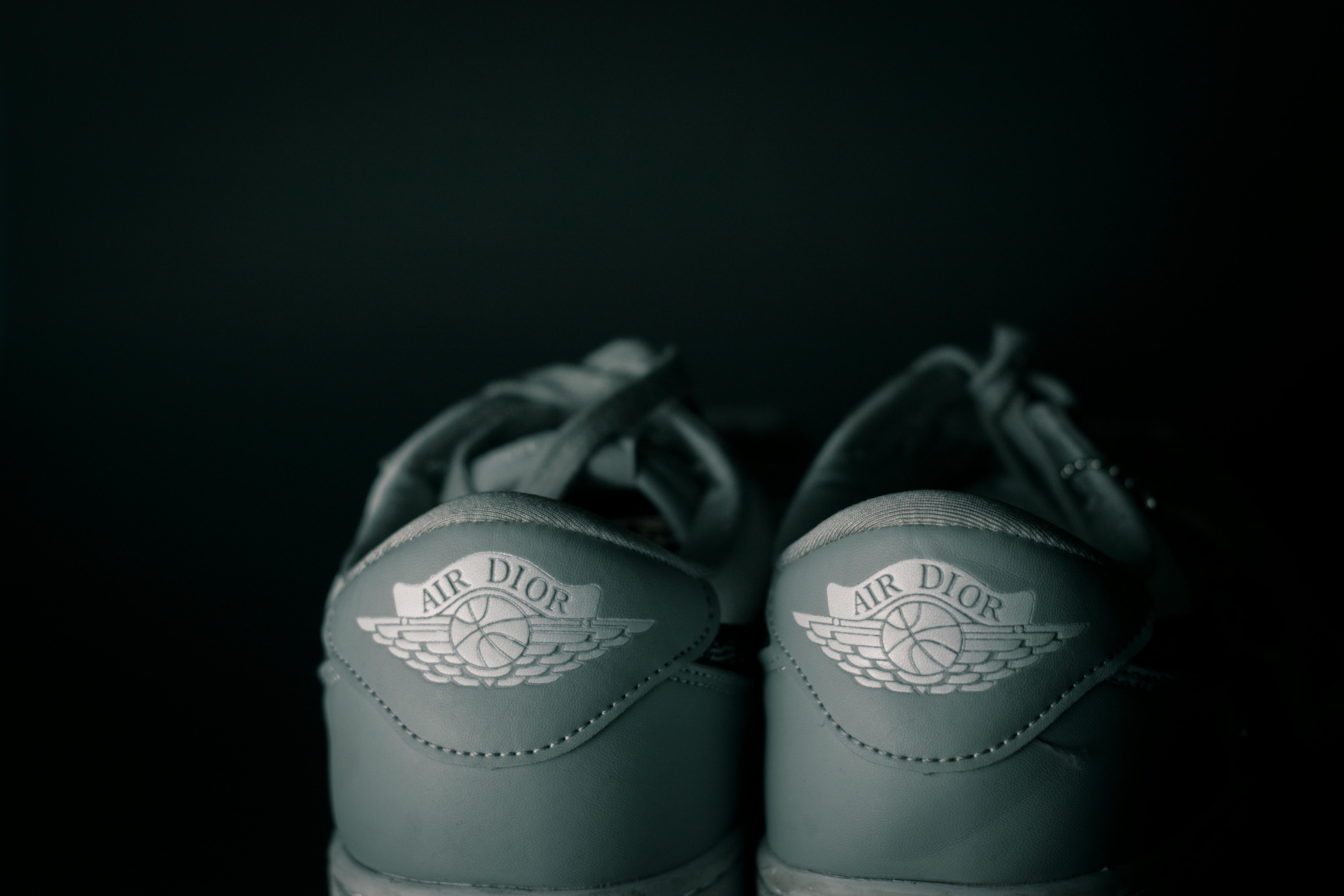
A pair of boots can be resoled repeatedly while a pair of sneakers cannot. The reason is a construction decision made long before either shoe reached a customer.
The welt creates a removable joint
A welted boot has a narrow strip of leather stitched to the upper and the insole, and the outsole is then stitched to that strip rather than to the upper itself.
That arrangement means the outsole can be cut away and a new one stitched on without disturbing the upper, because the two are never directly joined.
The welt functions as a sacrificial interface, and it is the single feature that makes repeated rebuilding possible over decades of wear.
Cemented construction fuses the parts
Most sneakers are built by bonding the sole unit to the lasted upper with adhesive across the entire contact surface.
The bond is strong, light and extremely cheap to produce, and it eliminates the stitching operations that make welted construction slow and skilled work.
Separating it requires breaking the adhesive across the whole footprint, which typically damages the upper material and leaves nothing clean to bond a new sole to.
Midsole foam ages regardless
Athletic shoes rely on a foam midsole that compresses over time and also degrades chemically, losing resilience whether or not the shoe is worn.
Replacing an outsole would leave that aged foam in place, so the repair addresses the visible wear while the functional component remains spent.
This is why resoling a running shoe would not restore it even if the construction permitted the operation.
Economics reinforce the split
Resoling is skilled hand labor priced against American wages, which makes it viable only for footwear worth substantially more than the repair.
Welted boots are expensive precisely because the construction is labor-intensive, so the same characteristic that makes them costly makes repair worthwhile.
Cemented shoes at typical prices cost less to replace than to attempt to rebuild, and cobblers decline the work for that reason rather than from lack of skill.
Middle grounds exist
Blake stitching sews the outsole directly to the insole through the upper, producing a sleeker shoe that can be resoled but requires specific machinery.
Vulcanized sneakers bond the sole under heat and pressure with a rubber foxing tape around the perimeter, which some specialists can cut and replace.
Both remain repairable in principle, and both depend on finding a cobbler equipped for the specific construction, which is now a limiting factor in much of the country.