
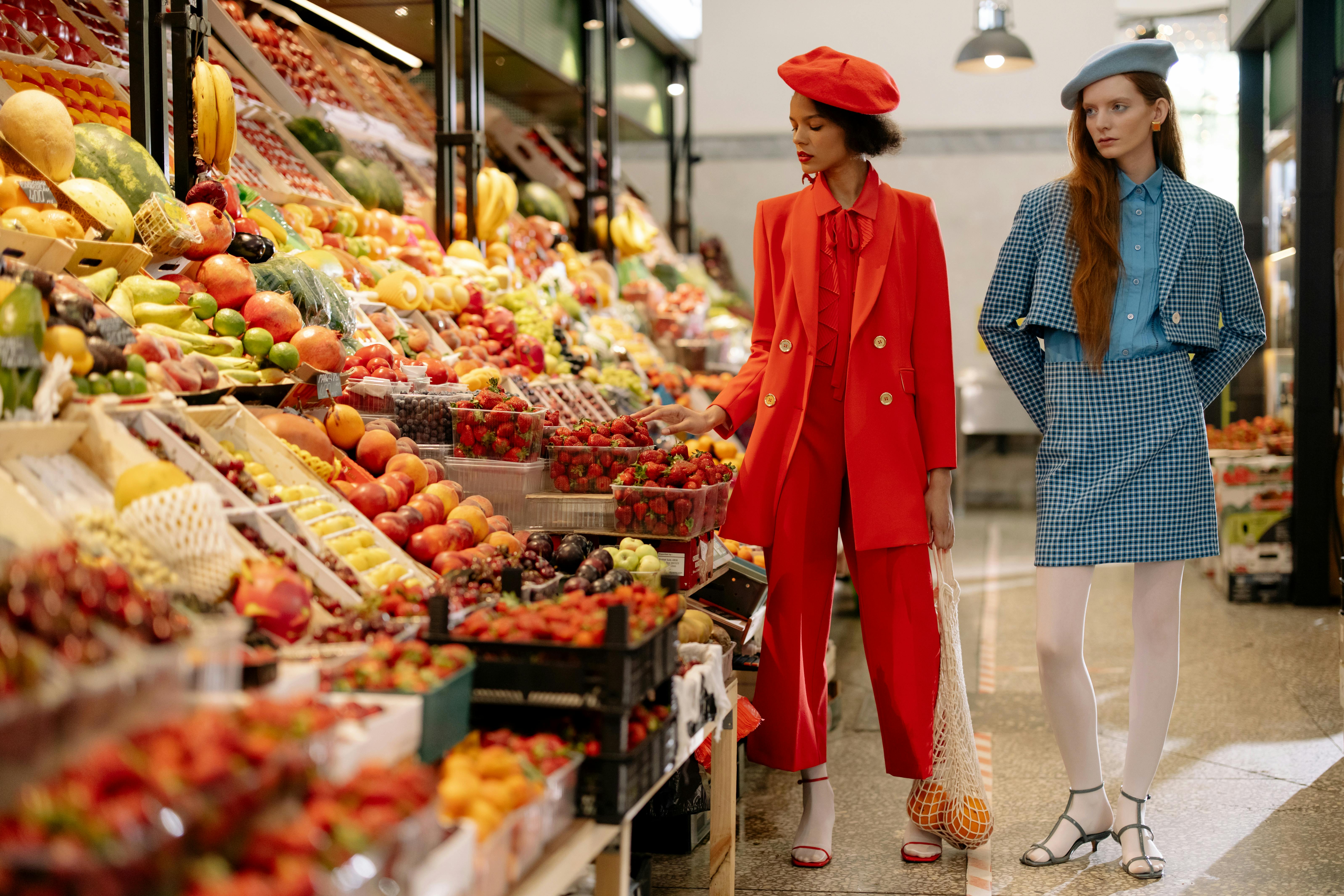
A physical shop is arranged with considerable deliberation, and almost none of the arrangement is about making shopping quick. The consistent objective is to extend the time a visitor spends inside.
The entrance is a decompression area
The first several paces inside a shop are typically left comparatively open, with little merchandise and nothing requiring a decision.
Visitors arriving from a street or a mall are still moving at walking pace and are not yet registering detail, so anything placed there is largely unseen.
The space exists to let people slow down and adjust before the shop begins in earnest, which is why the first real display sits some distance in.
Flooring and sightlines control walking speed
A change from hard flooring to carpet slows footsteps measurably, and shops use that transition at the point where they want browsing to begin.
Fixtures placed to interrupt a straight line force small changes of direction, and each one requires a moment of attention that reduces speed further.
Long uninterrupted aisles do the opposite, which is why they appear in shops built around efficiency rather than around browsing.
Essentials are placed to require a journey
Items people arrive intending to buy are positioned away from the entrance, so reaching them means passing everything else.
The route is not a corridor. It is arranged so the walk passes categories the visitor was not thinking about, which is where unplanned purchases originate.
This principle is old, consistent across formats, and visible in almost every supermarket, department store and pharmacy regardless of what they sell.
Fitting rooms are a conversion mechanism
A shopper who tries a garment on is substantially more likely to buy it, so the fitting room is treated as a destination rather than a facility.
Their placement deep in the store extends the journey, and the walk back offers a second pass at everything already seen once.
Lighting, mirror angles and room size are all specified deliberately, because the decision made inside that room is the one the entire layout has been working toward.
The checkout is the last placement decision
Queuing produces a captive period of attention with nothing else to do, which is why small, inexpensive, impulse-suited items sit alongside the till.
The goods placed there are chosen for low price and immediate appeal, since the decision has to be made in the seconds before reaching the front.
Online retail reproduces the same structure through recommended items and additions at the basket stage, which is the same mechanism expressed in a different medium.