
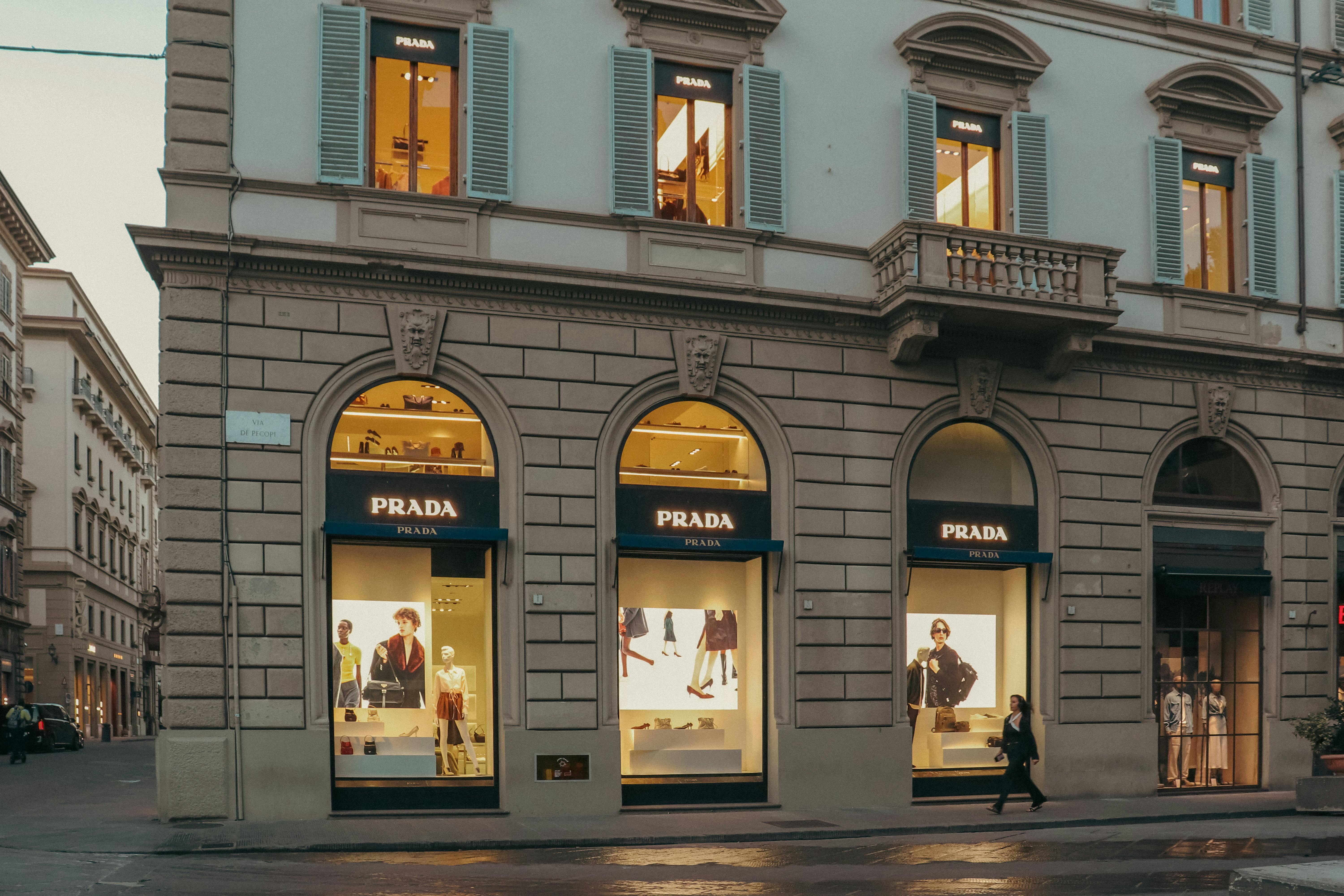
Certain luxury items cannot simply be bought, and prospective owners join a list. The mechanism does considerably more than manage a queue, and its effects are deliberate.
Scarcity is partly produced
Some constraint is genuine, since hand-finished goods depend on trained artisans whose numbers cannot be expanded quickly without affecting quality.
Beyond that, production is a decision. A house that could raise output and chooses not to is managing availability rather than being limited by it.
Holding supply below demand keeps prices firm and preserves the resale strength that reassures buyers their purchase will hold value.
The list rewards relationship
Allocation is generally not first-come. Sales associates prioritize customers with established purchase histories at the store.
That converts the list into an incentive to concentrate spending with one boutique and one associate rather than shopping opportunistically.
It also distributes desirable items toward customers who buy across the range, which is how the practice supports categories that would otherwise sell more slowly.
Waiting changes how the object is valued
Effort invested in acquiring something raises the value placed on it afterward, a well-documented tendency in how people assess their own choices.
A long wait therefore produces an owner more attached to the item and more likely to describe the experience to others.
The narrative of acquisition becomes part of what was purchased, which is difficult for any competitor to replicate through product alone.
Opacity is a feature of the design
Lists are rarely published, positions are not numbered, and timelines are not committed to, which leaves customers unable to verify their standing.
That ambiguity protects the house from accusations of unfairness while preserving discretion over allocation.
It also generates persistent speculation about how the system works, which sustains attention without any promotional expenditure.
The secondary market absorbs the overflow
Demand that the primary channel refuses to serve moves to resale, where the same items trade above retail prices.
Houses generally do not participate in that market, though the prices reached there reinforce the perception of value that supports the primary one.
Buyers turning to resale trade the wait for authentication risk, which is why professional verification services have grown alongside the practice rather than in opposition to it.
The gap between the two channels also gives the house a public measure of how far demand exceeds supply, without having to conduct any research of its own.
That figure informs how much production can be raised before the premium erodes, which is the constraint any decision to expand output has to respect.