
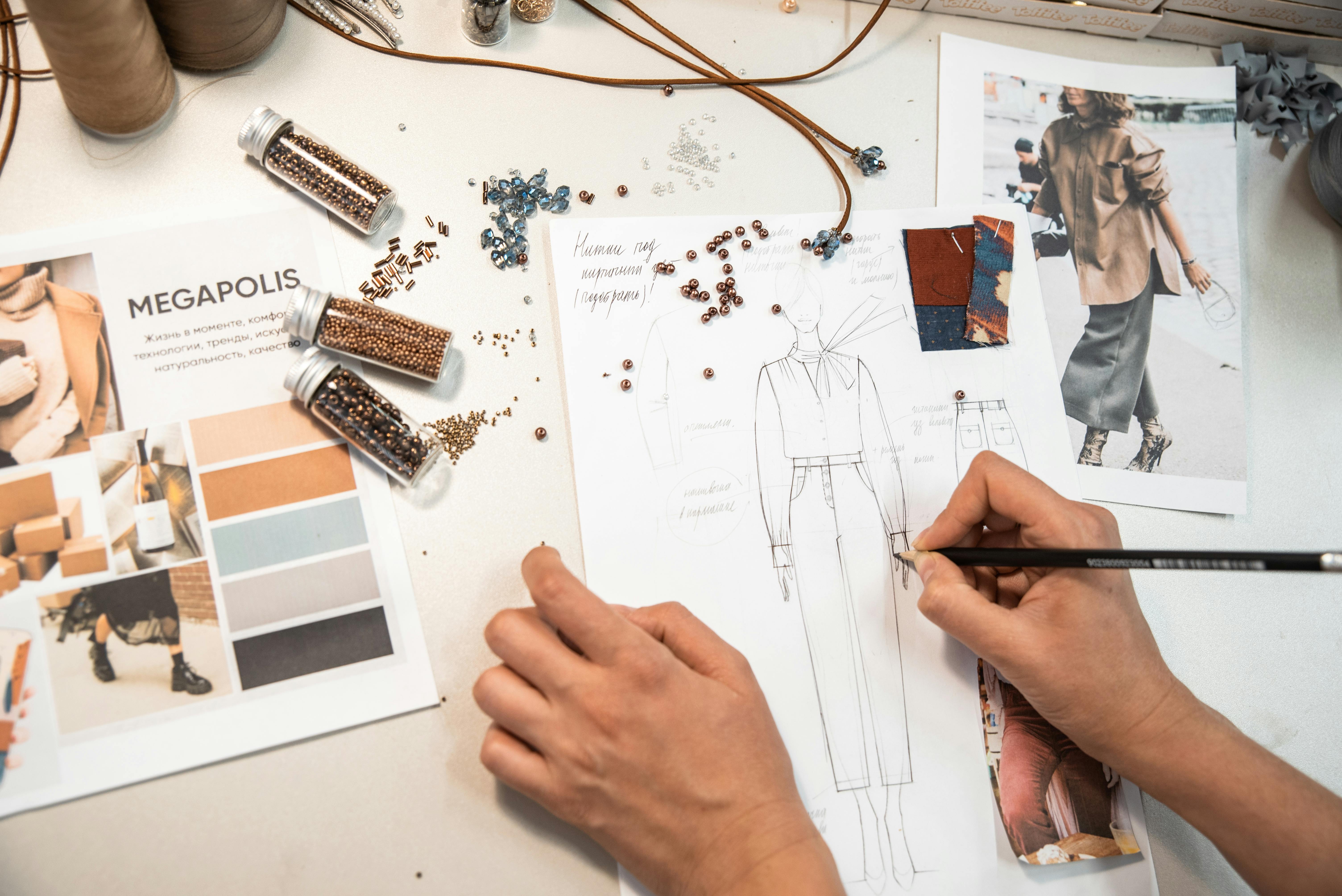
In 2026, sustainable luxury fashion isn't just a fleeting trend—it's a powerful movement defining the future of style. Discover how savvy consumers are investing in ethical, eco-friendly designer pieces, comparing top brands, and making smart purchasing decisions that benefit both their personal style and the planet. Explore cutting-edge traceable materials, innovative circular fashion models, and the best luxury sustainable brands for your next wardrobe upgrade, ensuring maximum value and minimal impact.
Introduction to the Topic
Welcome to 2026, where the fashion landscape has undergone a profound transformation. The days of disposable fast fashion are rapidly receding, replaced by a discerning demand for quality, transparency, and responsibility. Today, the most coveted labels are those that seamlessly merge unparalleled craftsmanship with unwavering ethical and environmental commitments. This isn't merely about 'going green'; it's about investing in 'green gold' – sustainable luxury fashion that offers enduring style, superior quality, and a clear conscience.
Sustainable luxury, once considered a niche, has exploded into the mainstream, driven by a new generation of conscious consumers. They seek not just beautiful garments, but pieces with a story – a narrative of responsible sourcing, fair labor, and minimal ecological footprint. This guide from fablishious.com is your essential compass to navigate this exciting evolution, helping you identify, compare, and ultimately invest in luxury fashion that truly stands the test of time, both aesthetically and ethically. Prepare to elevate your wardrobe with choices that reflect your values and enhance your investment portfolio.
Backgrounds & Facts
The rise of sustainable luxury isn't accidental; it's a direct response to a confluence of critical factors. By 2026, consumer awareness regarding fashion's environmental and social impact has reached an all-time high. Studies consistently show that over 70% of Gen Z and Millennial consumers are willing to pay a premium for brands demonstrating robust sustainability practices. This demographic shift is a powerful market driver.
Factually, the traditional fashion industry has long been one of the planet's most polluting sectors, notorious for excessive water consumption, chemical waste, microplastic pollution, and staggering textile landfill contributions. The demand for change is no longer just a whisper but a roar. Regulatory bodies worldwide are implementing stricter environmental standards, pushing brands to innovate. Furthermore, technological advancements have made genuine sustainability more attainable than ever. We're witnessing breakthroughs in bio-fabricated materials like lab-grown silk and mycelium leather, alongside the widespread adoption of blockchain technology to ensure verifiable supply chain traceability from raw material to final product. This new era of transparency combats 'greenwashing' and empowers consumers to make truly informed purchasing decisions. The focus has shifted from mere consumption to conscious investment, where longevity and ethical provenance add significant value to luxury items.
Expert Opinion / Analysis
The convergence of luxury and sustainability is not without its complexities, yet experts agree it's the only viable path forward for high fashion. Dr. Elara Vance, a leading Fashion Economist at the Global Style Institute, notes, "By 2026, we project the sustainable luxury market to grow by an astonishing 15-20% annually. It's no longer a cost center but a significant competitive advantage and a driver of brand loyalty. Brands that genuinely embed sustainability into their core operations are seeing higher customer retention and attracting premium investors."
Simone Dubois, the visionary Creative Director behind the acclaimed 'Veridian Atelier' – a brand renowned for its upcycled couture – adds, "The biggest challenge and opportunity lies in re-educating consumers about value. A sustainable luxury piece might have a higher upfront cost, but its longevity, timeless design, and ethical production mean it offers superior cost-per-wear and often retains significant resale value. It's about moving away from disposability to heirlooms." Dubois also emphasizes the critical role of certifications like GOTS (Global Organic Textile Standard), Fair Trade, and B Corp status in verifying a brand's claims, advising consumers to look for these seals of approval. "The discerning luxury buyer of 2026 isn't just buying a label; they're investing in integrity, innovation, and impact," she concludes, highlighting the importance of thorough research before any significant purchase. The analysis points to a market maturation where authenticity and verifiable commitment define true luxury.
💰 Best Options in Comparison (VERY IMPORTANT)
Navigating the burgeoning sustainable luxury market requires a keen eye for genuine commitment and lasting value. To help you make informed purchasing decisions, we've curated a selection of leading brands that exemplify the best of sustainable luxury in 2026. Each offers unique strengths, catering to different aesthetic preferences and ethical priorities, ensuring your investment is both stylish and responsible.
- Stella McCartney: A true pioneer, Stella McCartney has been at the forefront of ethical luxury for decades. Renowned for its unwavering commitment to veganism, the brand eschews all animal products, opting for innovative plant-based leathers and recycled materials. Their aesthetic is modern, sleek, and effortlessly chic, making their bags, shoes, and ready-to-wear highly coveted investment pieces. Their transparency reports are among the industry's most comprehensive, detailing efforts in circular design and waste reduction.
- Gucci (Kering Group): Under the visionary leadership of the Kering Group, Gucci has transformed into a powerhouse of sustainable luxury. While maintaining its iconic maximalist aesthetic, the brand is making significant strides in biodiversity conservation, traceable supply chains, and the use of regenerative agriculture for raw materials. Their EP&L (Environmental Profit & Loss) accounts offer radical transparency, showcasing their environmental impact reduction efforts across their vast operations. Investing in Gucci means owning a piece of heritage luxury that is actively evolving for a greener future.
- Patagonia: While often associated with outdoor wear, Patagonia's ethos and product quality position it as a leader in 'luxury durability' and ethical production. Their commitment to repairing, reusing, and recycling garments is legendary, effectively creating a circular model that rivals high fashion. With B Corp and Fair Trade certifications, Patagonia’s functional yet timeless pieces are built to last a lifetime, offering exceptional value and a powerful statement of environmental activism. They prove that luxury can be rugged, responsible, and utterly reliable.
- Aetheria Collective: An emerging star in 2026, Aetheria Collective represents the cutting edge of artisanal sustainable luxury. Specializing in limited-edition drops crafted from meticulously upcycled designer textiles and deadstock fabrics, Aetheria offers truly unique, art-inspired pieces. Their focus on hyper-local production, fair wages for skilled artisans, and radical transparency in material provenance makes each garment a collector's item. For those seeking exclusive, avant-garde luxury with a verifiable story, Aetheria Collective is an unparalleled choice.
Here's a detailed comparison to help you choose your next sustainable luxury investment:
| Brand | Key Sustainability Focus | Price Point | Style Aesthetic | Transparency & Certifications | Resale Value Potential |
|---|---|---|---|---|---|
| Stella McCartney | Vegan materials, circular design, animal welfare, waste reduction. | $$ | Modern, sleek, minimalist, conscious luxury. | Pioneer in ethical fashion, comprehensive sustainability reports, no animal products. | High, due to strong brand recognition and ethical stance. |
| Gucci (Kering Group) | Biodiversity strategy, traceable supply chains, regenerative agriculture, innovative materials. | $$ | Eclectic, maximalist, iconic Italian luxury. | EP&L (Environmental Profit & Loss) accounts, various certifications (e.g., Leather Working Group). | Very High, strong brand heritage and consistent demand. |
| Patagonia | Durability, repair/reuse programs, recycled materials, fair labor, environmental activism. | $ | Outdoor, functional, rugged, timeless casual. | B Corp certified, Fair Trade certified, comprehensive transparency reporting. | High, due to extreme quality, durability, and strong brand mission. |
| Aetheria Collective | Upcycled luxury materials, artisanal craftsmanship, limited edition drops, local production. | $$ | Avant-garde, unique, art-inspired, bespoke feel. | Detailed product provenance, small batch production, artisan fair wage guarantees. | Moderate to High, strong for collectors of unique, limited-edition pieces. |
Outlook & Trends
The trajectory for sustainable luxury fashion in the coming years is one of accelerated innovation and deeper integration. By 2026 and beyond, expect to see:
- Blockchain & Digital Product Passports: The ultimate in transparency, these technologies will allow consumers to scan a QR code on any luxury item and access its entire lifecycle history, from raw material origin and ethical certifications to carbon footprint and repair instructions. This will become a standard expectation.
- Hyper-Personalization & AI Styling: AI will not only suggest sustainable luxury options tailored to your individual style and body type but also provide insights into the environmental impact of your choices, further empowering conscious purchasing.
- Circular Economy at Scale: Beyond mere recycling, luxury brands will increasingly invest in comprehensive take-back programs, sophisticated repair services, and robust rental/subscription models. The concept of 'ownership' will evolve, favoring access and extended product life.
- Bio-Fabrication & Regenerative Materials: The lab will become a major source of luxury materials. Expect advancements in lab-grown silks, spider silks, and innovative textiles derived from agricultural waste, all offering superior performance with minimal environmental impact. Regenerative agriculture will become a cornerstone for natural fiber sourcing.
- Inclusive Sustainability: Efforts will intensify to ensure sustainable luxury is not just for an elite few, but that its benefits – from ethical labor practices to innovative materials – are shared across the entire fashion ecosystem, fostering greater diversity and accessibility within the movement.
Conclusion
The year 2026 marks a pivotal moment in fashion history, where luxury is redefined by its commitment to the planet and its people. Investing in sustainable luxury fashion is no longer a niche choice but a smart, forward-thinking decision that aligns your personal style with your values. These aren't just purchases; they are powerful statements about the kind of future you want to support – a future where elegance and ethics are inextricably linked.
By choosing brands committed to transparency, innovation, and genuine responsibility, you're not only acquiring timeless pieces that enhance your wardrobe but also contributing to a more resilient, equitable, and beautiful world. Embrace this evolution, explore the best options, compare their unique offerings, and make investments that truly pay off – both for you and for generations to come. Start your journey towards a more stylish, sustainable, and rewarding wardrobe today. Explore, invest, and wear your values with pride, knowing you're at the forefront of fashion's most impactful revolution.