
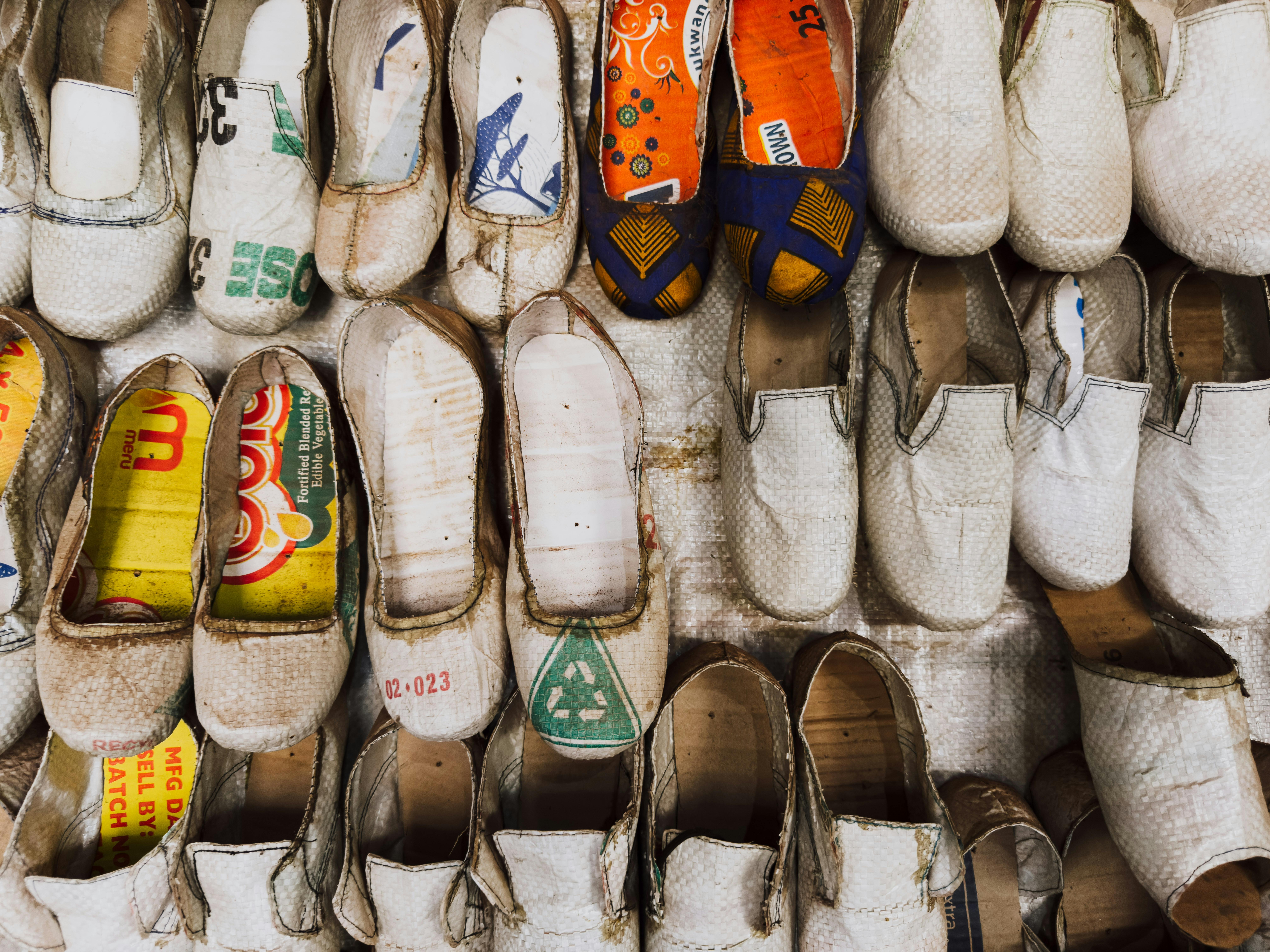
Discover how circular fashion is revolutionizing style and sustainability in 2026. Explore top resale platforms, fashion rental services, and innovative repair options to build an eco-chic, ethical wardrobe. Learn about key trends, expert insights, and money-saving strategies for the conscious consumer.
Introduction to the Topic
Welcome to 2026, where the fashion landscape has been dramatically reshaped by a powerful, planet-positive force: Circular Fashion. Forget fleeting trends and the endless cycle of 'buy-discard-repeat.' Today, the most stylish and savvy consumers are embracing a wardrobe strategy that’s not only eco-friendly but also economically smart and incredibly chic. This isn't just a niche movement; it's a multi-billion-dollar industry poised to redefine how we consume, wear, and value our clothes. At fablishious.com, we’re thrilled to guide you through this exciting transformation, showing you how to unlock unparalleled style while championing a healthier planet. From luxury resale to innovative rental models and the resurgence of repair culture, circular fashion offers a spectrum of solutions for every taste and budget. Ready to future-proof your style?
Backgrounds & Facts
For decades, the fashion industry operated on a linear 'take-make-dispose' model, fueled by fast fashion's relentless pace. This approach has led to staggering environmental consequences: mountains of textile waste clogging landfills, immense water consumption, chemical pollution from dyeing processes, and significant carbon emissions. Annually, over 100 billion garments are produced globally, with a staggering amount ending up in landfills within a year of purchase. The environmental footprint of a single pair of jeans, for instance, can be equivalent to driving a car for over 80 miles.
However, the tide began to turn in the late 2010s, accelerating rapidly into the mid-2020s. Consumers, driven by growing environmental awareness and a desire for authenticity, started demanding more from brands. This shift paved the way for the circular economy principles to take root in fashion. Instead of discarding, the focus moved to reducing consumption, reusing items, repairing what's broken, renting for temporary needs, and reselling pre-loved pieces. This 'closed-loop' system aims to keep resources in use for as long as possible, extracting maximum value from them while in use, and then recovering and regenerating products and materials at the end of each service life.
The market statistics for circular fashion are nothing short of astonishing. The global resale market, once a niche, is projected to reach over $77 billion by 2027, significantly outpacing traditional retail growth. Fashion rental services have similarly exploded, offering access to high-end and everyday wear without the commitment of ownership. Brands are increasingly launching their own take-back programs and repair services, recognizing the immense brand loyalty and sustainability credentials this fosters. This isn't just about charity shops anymore; it's a sophisticated, tech-driven ecosystem where style, value, and environmental responsibility converge.
Expert Opinion / Analysis
“The linear model of fashion is not just unsustainable; it’s obsolete,” states Dr. Anya Sharma, a leading expert in textile sustainability and circular economy consultant. “In 2026, we’re seeing a profound psychological shift. Consumers are no longer equating newness with value. Instead, longevity, quality, and the story behind a garment are what truly resonate. This is driven by Gen Z and Alpha, who are digital natives and inherently more conscious about their consumption choices.”
Industry analysts confirm this sentiment, highlighting how technology is the true enabler of this revolution. Blockchain technology is now widely used to provide immutable traceability for garments, from fiber origin to final sale, combating greenwashing and ensuring ethical sourcing. AI-powered platforms are optimizing inventory management for rental services, personalizing resale recommendations, and even predicting garment longevity for repair assessment. Digital product passports, embedded in garments via NFC tags or QR codes, offer consumers instant access to a product's entire lifecycle, care instructions, and resale/recycling options.
“Brands that fail to integrate circularity into their core business model by 2030 will simply not survive,” warns Marcus Thorne, CEO of EcoChic Innovations, a consultancy firm specializing in sustainable brand transformation. “It’s no longer an optional CSR initiative; it’s a fundamental business imperative. From regenerative agriculture for organic cotton to waterless dyeing technologies and the development of bio-based materials like mushroom leather, innovation is rampant. But the biggest impact comes from extending the life of existing garments through robust resale, rental, and repair infrastructures.”
This shift also presents challenges. Ensuring consistent quality across resale platforms, standardizing repair processes, and educating consumers on proper garment care remain crucial. However, the collective momentum from consumers, brands, and policy makers (with initiatives like the EU’s Green Deal pushing for mandatory circularity) suggests that circular fashion isn’t just a trend—it’s the definitive future of style.
💰 Best Options in Comparison (VERY IMPORTANT)
Ready to dive into the world of circular fashion? Here are some of the best platforms and services available in 2026, helping you buy, sell, rent, and repair sustainably. Choosing the right option depends on your needs, budget, and the type of items you're looking for.
- The RealReal: Luxury Resale Redefined
For those seeking authenticated luxury items at a fraction of retail price, or looking to consign high-end designer pieces, The RealReal remains a top choice. Their rigorous authentication process ensures peace of mind, covering everything from haute couture to fine jewelry and art. It’s perfect for accessing designer brands sustainably. - Vinted: Your Go-To for Everyday & Budget-Friendly Resale
As a dominant force in peer-to-peer resale, Vinted offers an incredibly diverse marketplace for everyday fashion, accessories, and even homeware. It's ideal for selling pre-loved casual wear, discovering unique finds, and saving money on wardrobe staples. The community aspect and straightforward selling process make it highly popular. - Rent the Runway: The Wardrobe-as-a-Service Pioneer
Perfect for special occasions, trying new styles, or simply rotating your everyday wardrobe without commitment. Rent the Runway offers subscriptions and one-off rentals for thousands of designer dresses, accessories, and workwear. It’s the ultimate solution for event dressing and experimenting with trends responsibly. - Nuuly: Everyday Fashion Rental with a Twist
A fantastic alternative for casual and contemporary styles, Nuuly (by URBN, parent company of Urban Outfitters, Anthropologie, and Free People) focuses on everyday wear. With a monthly subscription, you can choose several items to wear and return, reducing your need for constant purchases and keeping your style fresh. - The Restory & Local Artisan Repair Networks: Investing in Longevity
Beyond buying and renting, extending the life of your beloved items through professional repair is crucial. The Restory specializes in luxury handbag, shoe, and garment restoration, offering unparalleled craftsmanship. For more accessible options, local artisan networks and brand-specific repair programs (like Patagonia’s Worn Wear or Nudie Jeans’ free repairs) are thriving. Many cities now have 'Repair Cafes' or online directories connecting you to local seamstresses, cobblers, and leatherworkers.
Comparative Analysis of Circular Fashion Platforms & Services (2026)
| Platform/Service | Focus | Target Audience | Key Features | Price Range | Sustainability Impact |
|---|---|---|---|---|---|
| The RealReal | Luxury Resale & Consignment | High-end buyers/sellers, fashion enthusiasts | Expert authentication, white-glove consignment, diverse luxury categories | Premium (significant savings on retail) | Extends lifecycle of high-value items, reduces new luxury production |
| Vinted | Mass Market Peer-to-Peer Resale | Budget-conscious buyers/sellers, casual fashion | User-friendly app, wide variety of items, community features | Low-Mid (great deals, affordable selling) | Massive textile waste reduction, promotes affordable reuse |
| Rent the Runway | Designer Fashion Rental | Event-goers, style experimenters, luxury access | Subscription models, one-off rentals, dry-cleaning included | Mid-High (access to luxury without ownership cost) | Reduces need for new purchases, maximizes garment utility |
| Nuuly | Everyday Contemporary Fashion Rental | Casual wearers, trend-conscious, sustainable everyday style | Monthly subscription, curated selection from popular brands, easy returns | Mid (fixed monthly fee) | Promotes access over ownership for daily wear, reduces impulse buying |
| The Restory / Local Repair | Luxury & General Repair/Restoration | Owners of high-value items, anyone wanting to extend garment life | Expert craftsmanship, specialized services (leather, delicate fabrics), local convenience | Varies (investment in longevity) | Directly prevents textile waste, preserves embedded energy/resources in products |
Outlook & Trends
The future of circular fashion in 2026 and beyond is incredibly dynamic. We anticipate several key trends gaining even greater prominence:
- Hyper-personalization through AI: AI will become even more sophisticated, offering personalized recommendations for resale items based on your style profile, suggesting rental pieces for specific events, and even identifying local repair services tailored to your garment's needs. Think of a 'smart wardrobe assistant' that optimizes your clothing's lifecycle.
- Blockchain for True Transparency: As greenwashing concerns persist, blockchain will be indispensable for verifying every step of a garment's journey, from fiber to repair. Consumers will be able to scan a QR code on a label and instantly see a garment’s complete history, ethical certifications, and recommended end-of-life options.
- Brand-Owned Circular Ecosystems: More brands will fully integrate circularity, offering comprehensive take-back programs, in-house repair services, and even their own branded resale platforms. This not only builds customer loyalty but also gives brands greater control over their product's lifecycle and environmental impact.
- The Rise of 'Wardrobe as a Service' (WaaS): Beyond traditional rental, WaaS models will evolve, offering curated wardrobes for specific seasons or lifestyles, where consumers pay a subscription for a rotating collection of personalized garments, blurring the lines between ownership and access.
- Advanced Material Innovation for Circularity: Expect further breakthroughs in bio-based textiles that are easily recyclable or compostable, alongside innovative recycling technologies that can handle mixed fibers more efficiently, creating truly closed-loop material cycles.
Government policies will also play a significant role, with increasing regulations aimed at holding brands accountable for product end-of-life and promoting sustainable design practices. The collaborative efforts between innovators, consumers, and policymakers will solidify circular fashion as the standard, not the exception.
Conclusion
Circular fashion is no longer a fringe movement; it's the beating heart of sustainable style in 2026. It's an exciting paradigm shift that empowers you, the conscious consumer, to make impactful choices without sacrificing an ounce of style. By embracing resale, exploring rental, and prioritizing repair, you're not just making a fashion statement—you're making a statement about your values, your financial savviness, and your commitment to a healthier planet. The options are abundant, accessible, and increasingly sophisticated. So, take the leap! Explore these incredible platforms, extend the life of your beloved garments, and become a part of the vibrant, thriving future of fashion. Your wardrobe, your wallet, and the Earth will thank you.