
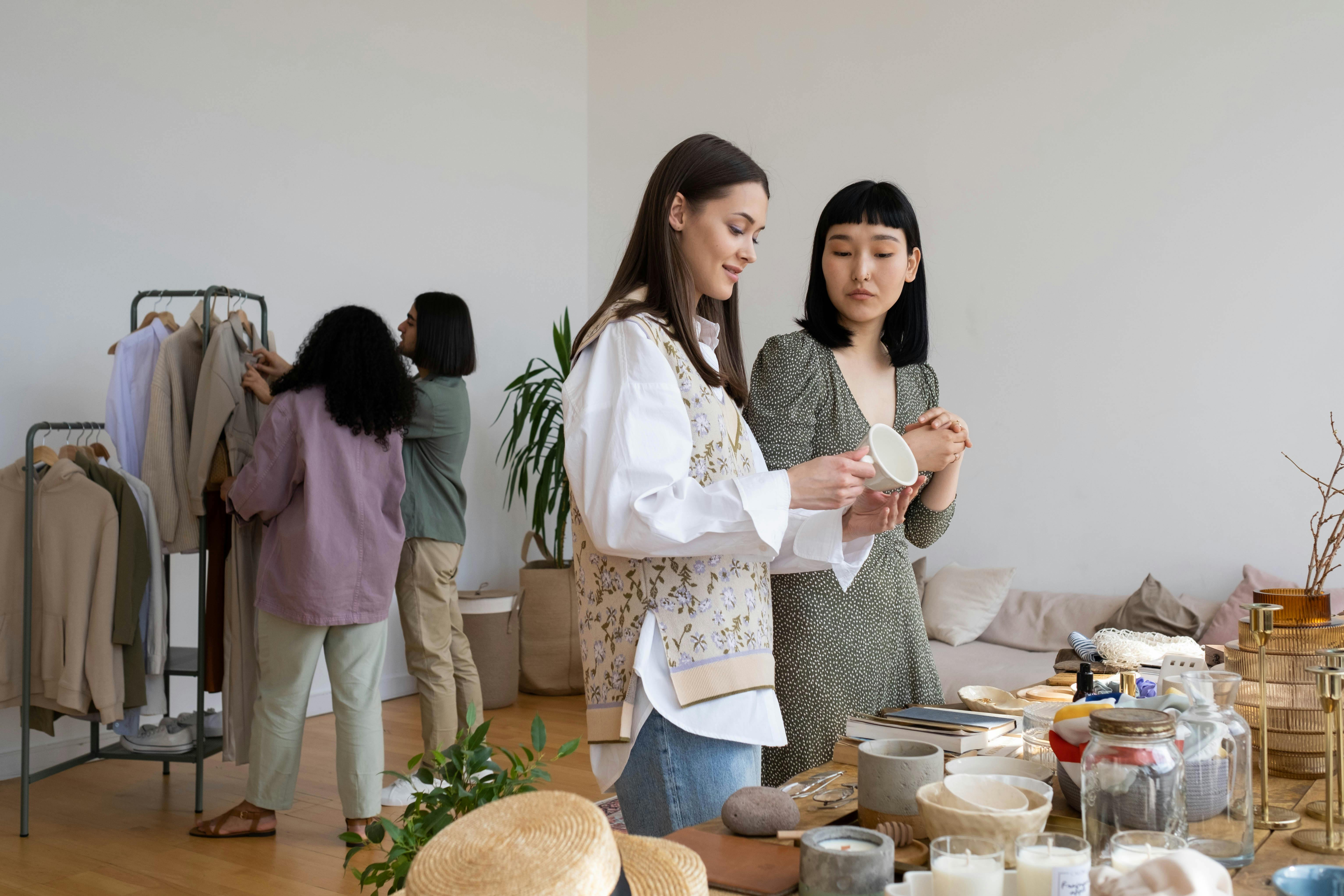
Discover the future of fashion in 2026! Dive into the circular economy, revolutionary bio-materials, and the booming rental and resale markets. Learn how to choose truly sustainable fashion brands, compare eco-friendly options, and make conscious purchasing decisions that benefit both your style and the planet. This is your ultimate guide to ethical clothing, smart shopping, and investing in a greener wardrobe.
Introduction to the Topic
Welcome to 2026, where the fashion landscape has transformed from a linear take-make-dispose model to an exciting, innovative, and increasingly circular economy. For years, consumers felt overwhelmed by 'greenwashing' – brands making vague, unsubstantiated claims about their sustainability efforts. But in 2026, armed with unprecedented transparency tools and a wealth of truly eco-conscious options, the discerning shopper can finally navigate the ethical fashion world with confidence. This isn't just about feeling good; it's about looking fabulous, investing smarter, and actively participating in a movement that's reshaping one of the world's most impactful industries. Are you ready to upgrade your wardrobe and your impact?
The urgency for sustainable fashion has never been greater. Climate change, resource depletion, and burgeoning landfills demand immediate action. But beyond the ecological imperative, sustainable fashion offers tangible benefits for consumers: higher quality garments built to last, unique styles, and often, a better return on investment through resale or rental. This article will cut through the noise, revealing the hottest trends, the most impactful choices, and the best platforms to help you build a truly sustainable and stylish wardrobe in 2026. Get ready to unlock the secrets to eco-chic living that aligns with your values and your budget.
Backgrounds & Facts
The traditional fashion industry has long been a major contributor to global pollution, from excessive water usage in cotton farming to the release of microplastics from synthetic fabrics and the staggering volume of textile waste ending up in landfills. Fast fashion, with its rapid production cycles and disposable garments, exacerbated these issues, leading to a consumer culture driven by fleeting trends rather not quality or longevity. By 2026, however, a powerful shift is evident. Consumer awareness has skyrocketed, fueled by documentaries, social media activism, and the undeniable impacts of climate change, pushing brands to innovate or risk obsolescence.
The concept of a 'circular economy' has moved from a niche academic idea to a mainstream industry benchmark. Instead of designing products for a single use, circular fashion focuses on designing for durability, repairability, reuse, and ultimately, recycling. This involves everything from using mono-materials that are easier to recycle to implementing take-back schemes for old garments. Governments and regulatory bodies are also stepping up, with new legislation in various regions pushing for greater supply chain transparency and extended producer responsibility. This means brands are now legally accountable for the lifecycle of their products, not just their initial sale. This regulatory landscape, combined with technological advancements, has created fertile ground for genuine sustainable innovation.
Expert Opinion / Analysis
“The era of vague sustainability claims is over,” states Dr. Anya Sharma, a leading expert in textile innovation and circular design. “In 2026, consumers demand verifiable proof, and technology is finally delivering it. Blockchain-powered supply chains provide granular data on a garment's journey – from farm to factory to your closet. Digital Product Passports (DPPs), now standard on many premium items, offer a complete lifecycle history, material composition, and even repair instructions, empowering consumers to make truly informed decisions and extend the life of their purchases.” This level of transparency is revolutionizing how we perceive and interact with our clothes, shifting from passive consumption to active stewardship.
Furthermore, the rise of bio-fabricated materials is no longer a futuristic dream but a commercial reality. “We're seeing significant breakthroughs in lab-grown leather, mycelium-based textiles, and even algae-derived fabrics that offer performance comparable to traditional materials, but with a fraction of the environmental footprint,” Dr. Sharma adds. This innovation is crucial for decoupling fashion from its reliance on virgin resources and fossil fuels. The industry is also witnessing a profound psychological shift: the desire for 'newness' is being balanced by an appreciation for 'longevity' and 'uniqueness' found in pre-owned or upcycled items. This cultural pivot, supported by accessible rental and resale platforms, is making sustainable fashion not just an ethical choice, but a genuinely aspirational one.
💰 Best Options in Comparison (VERY IMPORTANT)
Navigating the sustainable fashion market in 2026 means understanding your options beyond simply buying new from 'eco-friendly' brands. True sustainability involves a multi-faceted approach. Here are the best ways to build your conscious wardrobe, optimize your spending, and maximize your impact:
- Fashion Rental Services: Access a revolving wardrobe of designer and high-end pieces without the commitment or environmental impact of ownership. Perfect for special occasions, trying new trends, or refreshing your look frequently. You save money and reduce waste.
- Premium Resale Marketplaces: Discover pre-loved luxury and contemporary fashion at significantly reduced prices. These platforms authenticate items, ensuring quality and value, allowing you to invest in timeless pieces with a smaller carbon footprint. You can also sell your own items, recouping value and extending their lifecycle.
- Direct-to-Consumer Sustainable Brands: Invest in new garments from brands committed to ethical production, innovative eco-materials (like organic cotton, recycled polyester, Tencel, or bio-synthetics), and transparent supply chains. Look for certifications like GOTS, Fair Trade, or B Corp status.
- Local Repair & Upcycling Initiatives: Embrace the longevity of your garments. Many brands now offer repair services, and local artisans or specialized services can mend, alter, or even transform your existing clothing, giving it a second life and unique character.
To help you decide which avenue best suits your needs and budget, here's a detailed comparison:
| Category | Key Benefit & Value Proposition | Examples / Platforms | Best For (User Intent) | Considerations |
|---|---|---|---|---|
| Fashion Rental Services | Access to high-end, trending, or diverse styles without ownership. Significant cost savings for occasional wear. Reduces textile waste. | Rent the Runway, Nuuly, By Rotation, My Wardrobe HQ | Event wear, trying new trends, refreshing wardrobe regularly, conscious consumers seeking variety without commitment. | Monthly subscription costs, limited availability of specific sizes/styles, potential for minor wear and tear. |
| Premium Resale Marketplaces | Score luxury and designer items at up to 90% off retail. Extends product lifespan, reduces demand for new production. Opportunity to sell your own items. | The RealReal, Vestiaire Collective, ThredUp, Depop | Value seekers, luxury brand enthusiasts, those looking for unique or vintage pieces, sellers wanting to monetize old wardrobe items. | Authenticity concerns (less common on premium sites), item condition varies, potential for slower shipping. |
| Direct-to-Consumer Sustainable Brands | Invest in brand-new, ethically made, high-quality garments from the source. Direct support for transparent, responsible companies. Often higher upfront cost, but better longevity. | Patagonia, Stella McCartney, Everlane (selected lines), Reformation, smaller innovative brands (e.g., dedicated to mycelium leather) | Conscious consumers prioritizing new purchases, those seeking specific ethical certifications, investing in foundational wardrobe pieces. | Potentially higher price point, requires research into brand claims and certifications. |
| Local Repair & Upcycling Initiatives | Extends the life of beloved garments, reduces waste, supports local craftspeople. Can transform old items into unique new pieces. | Local tailors, specialized repair shops, brand repair programs (e.g., Nudie Jeans), upcycling workshops. | Anyone wanting to maximize their existing wardrobe, those with sentimental items, creative individuals looking for custom pieces. | Availability of services can vary by location, cost of repair may sometimes approach buying new for cheaper items. |
Outlook & Trends
Looking ahead, 2026 is just the beginning. We anticipate even greater integration of Artificial Intelligence (AI) in sustainable fashion, moving beyond personalized recommendations to optimizing supply chains for minimal waste, predicting demand more accurately, and even designing garments with end-of-life recycling in mind. Imagine AI-powered tools that help you assess the resale value of a potential purchase before you even buy it, or seamlessly connect you with local repair services based on your garment's Digital Product Passport.
The concept of 'regenerative fashion' will also gain significant traction. This goes beyond simply doing less harm; it's about fashion that actively contributes to ecological restoration – think farming practices that improve soil health for organic cotton, or closed-loop systems that purify water rather than pollute it. We'll see more localized circular hubs emerging, making it easier for communities to participate in textile recycling, repair, and rental. Furthermore, the affordability and accessibility of bio-fabricated materials will increase, making sustainable innovation a standard rather than a luxury. The future of fashion is not just green; it's smart, regenerative, and deeply connected to a thriving planet.
Conclusion
The sustainable fashion landscape in 2026 is vibrant, innovative, and incredibly empowering for consumers. Greenwashing is on the decline, replaced by verifiable transparency and genuine commitment from a growing number of brands and platforms. By embracing the circular economy through rental, resale, conscious new purchases, and extending the life of your existing wardrobe, you're not just making ethical choices; you're making smart financial decisions and cultivating a unique, high-quality style that stands the test of time.
Your purchasing power is immense. Every dollar you spend, or choose not to spend, sends a clear message to the industry. So, as you plan your next fashion investment, remember the options laid out here. Dive into the world of sustainable fashion and discover how effortlessly you can align your style with your values, contribute to a healthier planet, and build a wardrobe that truly reflects the future of fashion. Start exploring these options today and become a part of the fablishious, sustainable revolution!