
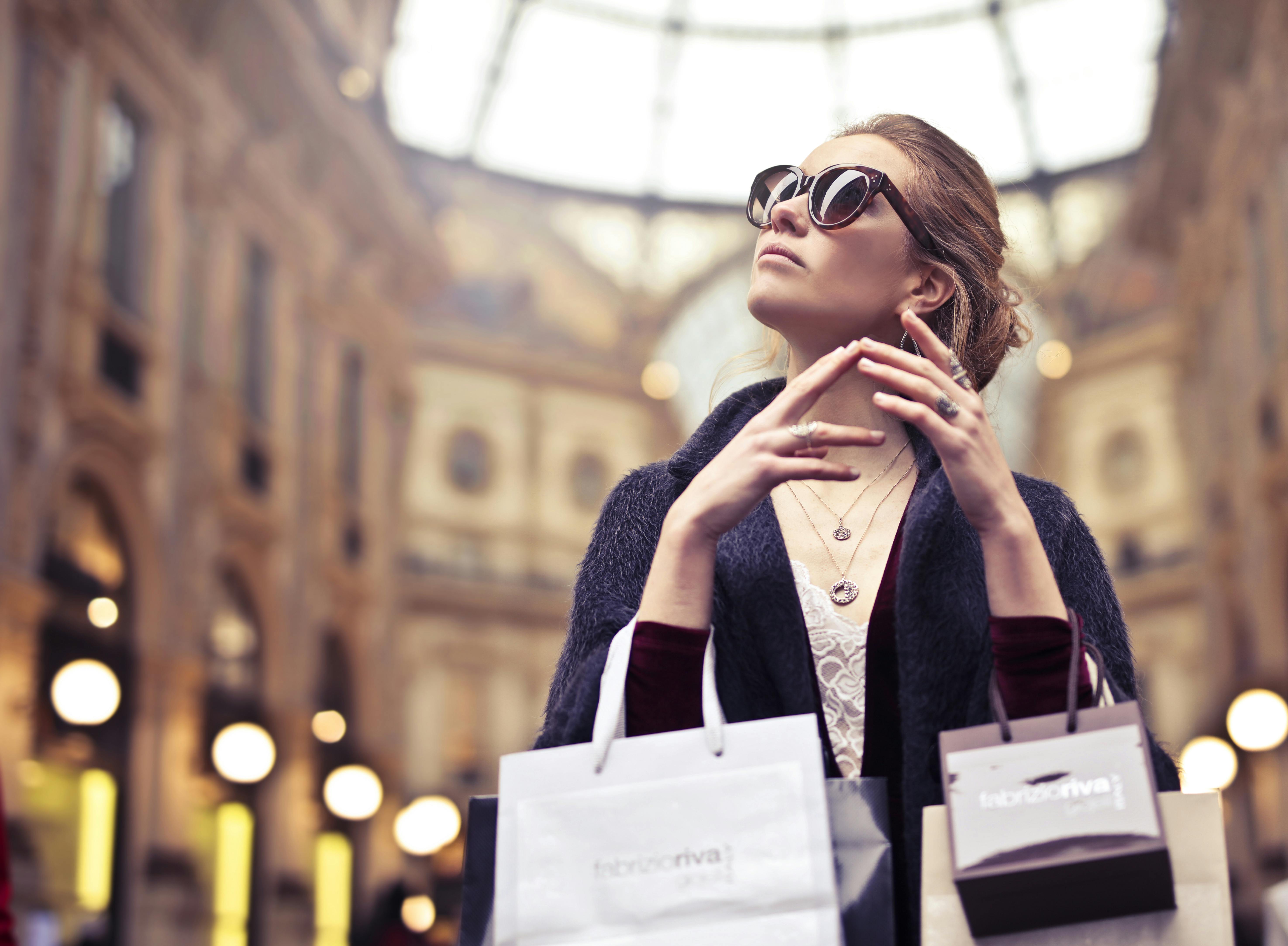
In 2026, luxury fashion transcends mere style, emerging as a robust asset class. Discover the high-value designer bags, investment watches, and timeless jewelry pieces that offer impressive resale value and appreciation. This guide explores smart purchasing strategies, top brands like Hermès, Chanel, Rolex, and Patek Philippe, and expert tips for navigating the booming pre-owned luxury market to maximize your returns. Optimize your portfolio with sustainable luxury fashion and collector's items that truly pay off.
Introduction to the Topic
Welcome to 2026, where the lines between high fashion and high finance have never been more blurred. For decades, luxury fashion was perceived solely as an indulgence, a fleeting trend, or a status symbol. Today, however, a seismic shift has occurred: discerning buyers and savvy investors alike recognize luxury fashion as a legitimate, tangible asset class capable of delivering impressive returns. Forget stocks and bonds for a moment; we're talking about Hermès Birkins outperforming gold, Rolex timepieces appreciating faster than many real estate markets, and vintage couture becoming coveted museum-worthy investments.
At fablishious.com, we've been tracking this evolution closely. The global luxury market, propelled by unprecedented demand and the meteoric rise of the authenticated resale sector, has transformed investment paradigms. This isn't just about owning something beautiful; it's about making intelligent, informed decisions that bolster your financial portfolio while indulging your passion for exquisite craftsmanship. Whether you're a seasoned collector or a newcomer looking to make your first significant luxury purchase, understanding the investment potential of these iconic pieces is paramount. Join us as we delve into the world of luxury fashion assets, revealing how to identify, acquire, and safeguard your future wealth, one iconic piece at a time.
Backgrounds & Facts
The narrative of luxury fashion as an investment gained significant traction in the early 2020s, accelerating rapidly into 2026. Several key factors underpin this phenomenon:
- Scarcity & Exclusivity: Many top-tier luxury brands, particularly Hermès and Chanel, maintain strict control over production numbers, creating artificial scarcity. This exclusivity drives demand far beyond supply, particularly for their most iconic models.
- Booming Resale Market: The authenticated pre-owned luxury market is the engine of this investment trend. Projected to reach an astonishing $77 billion globally by 2026, platforms like Vestiaire Collective, The RealReal, and Christie's Handbags & Accessories auctions provide robust, liquid markets for resale. This market validates the long-term value of luxury items and offers transparency in pricing.
- Historical Performance: Data consistently shows certain luxury items outperforming traditional investments. For instance, the average annual appreciation for a Hermès Birkin bag has historically hovered around 14%, surpassing the S&P 500 in many periods. Similarly, specific Rolex and Patek Philippe watch models have seen double-digit annual growth rates.
- Cultural & Social Capital: Beyond monetary value, luxury items carry immense cultural and social capital. They are symbols of heritage, craftsmanship, and timeless design, making them desirable across generations and geographies. This inherent desirability fuels sustained demand.
- Sustainability & Conscious Consumption: In 2026, consumers are increasingly eco-conscious. Investing in durable, high-quality luxury items with a strong resale market aligns with sustainable consumption practices, reducing waste and extending product lifecycles. This ethical appeal further solidifies their long-term value.
The market is further influenced by celebrity endorsements, social media trends, and the growing accessibility of luxury information, empowering buyers to make more informed decisions. The shift from fast fashion to enduring quality has solidified luxury's position not just as a statement, but as a tangible asset.
Expert Opinion / Analysis
We sat down with Dr. Evelyn Reed, a leading Luxury Asset Analyst and Head of Valuations at 'Prestige Portfolio Advisors,' to understand the nuances of investing in luxury fashion in 2026.
“The golden rule for luxury fashion investment,” Dr. Reed explains, “is provenance and condition. A piece with a verifiable history and in excellent to pristine condition will always command a premium. Think of it like art – the artist, the era, and the state of preservation are paramount.”
According to Dr. Reed, several factors distinguish a smart luxury investment from a mere purchase:
- Brand Heritage & Icon Status: “Stick to the titans,” she advises. “Hermès, Chanel, Rolex, Patek Philippe, Cartier – these brands have demonstrated consistent value retention and appreciation due to their unparalleled heritage, craftsmanship, and global recognition. Their iconic models are virtually recession-proof.”
- Limited Editions & Collaborations: “While mainstays are safe bets, strategically chosen limited editions or high-profile collaborations can offer explosive short-to-medium term gains,” says Reed. “However, this requires deep market knowledge to differentiate between genuine collector's items and fleeting hype.”
- Material & Craftsmanship: “Exotic leathers, precious metals, and intricate detailing are not just about aesthetics; they’re about intrinsic value. A Birkin in crocodile or a watch with a unique complication holds more inherent worth than mass-produced alternatives.”
- Authentication & Certification: “In a market rife with counterfeits, robust authentication services are non-negotiable. Always purchase from reputable dealers or platforms that offer stringent authentication guarantees. For watches and high jewelry, ensure original papers and box are included – they add significant value.”
- Market Cycles & Trends: “While timeless pieces transcend trends, understanding current market dynamics can inform optimal buying and selling times. For instance, certain vintage styles might experience a resurgence, offering opportunities for profitable resale.”
Dr. Reed also highlights the increasing importance of ESG (Environmental, Social, and Governance) factors. “Sustainable luxury brands or pieces with documented ethical sourcing are gaining traction. This isn't just a moral imperative; it's becoming a value driver for conscious investors.”
💰 Best Options in Comparison (VERY IMPORTANT)
For those ready to make a strategic luxury investment in 2026, here are the top categories and specific items that consistently demonstrate strong appreciation and resale value. We’ve meticulously compared options to guide your purchasing decisions.
Top Investment Categories:
- Iconic Handbags: The undisputed champions of luxury investment. Their scarcity, desirability, and cultural impact ensure consistent appreciation.
- High-Horology Timepieces: Precision engineering, limited production, and brand legacy make these watches robust assets.
- Classic Fine Jewelry: Pieces from heritage brands crafted with precious materials hold enduring value and often appreciate with market demand for raw materials.
- Archival Couture/Vintage: Select rare pieces from iconic designers can fetch significant sums, especially those with historical significance or unique craftsmanship.
Featured Investment Pieces & Services:
- Hermès Birkin & Kelly Bags: The gold standard. Known for outperforming traditional asset classes. Focus on classic sizes (25, 30, 35 for Birkin; 25, 28, 32 for Kelly) and neutral colors or exotic leathers. Explore Hermès Investment Pieces
- Chanel Classic Flap Bag: A perennial favorite. Its consistent price increases (often twice a year) make it a reliable investment. Opt for lambskin or caviar leather in black or beige. Shop Chanel Classic Flap Bags
- Rolex Sports Models (Daytona, Submariner, GMT-Master II): The most sought-after watches. Stainless steel models, particularly those with unique dials or discontinued references, command significant premiums. Discover Investment Rolex Models
- Patek Philippe Nautilus & Aquanaut: Extremely exclusive and difficult to acquire new, these models have seen astronomical appreciation on the secondary market. Find Patek Philippe Rareties
- Cartier Love Bracelet & Juste un Clou: Iconic jewelry pieces that retain strong value due to brand recognition, precious materials (gold, diamonds), and timeless design. Invest in Cartier Jewelry
- Vintage Louis Vuitton Limited Editions: While not all LV appreciates, select limited-edition collaborations (e.g., with Supreme, Takashi Murakami) or rare trunks can be highly collectible. Browse Vintage LV Collectibles
Comparison Table: Top Luxury Investment Assets (2026)
| Asset Category | Key Brands/Models | Avg. Annual Appreciation (Est.) | Initial Investment Range (USD) | Liquidity (Resale Market) | Sustainability Index (1-5) | Action |
|---|---|---|---|---|---|---|
| Luxury Handbags | Hermès Birkin/Kelly, Chanel Classic Flap | 10-15% | $8,000 - $50,000+ | High | 4 (High durability, strong resale) | Shop & Compare |
| Luxury Watches | Rolex Daytona, Patek Philippe Nautilus | 8-12% | $10,000 - $100,000+ | High | 4 (Built to last, easy to service) | View Top Models |
| Fine Jewelry | Cartier Love, Tiffany & Co. Classics | 5-8% | $2,000 - $20,000+ | Medium-High | 3 (Precious metals, but less active resale than bags/watches) | Invest in Classics |
| Archival/Vintage Couture | Select McQueen, Margiela, Chanel Haute Couture | Variable (5-20%+) | $1,000 - $50,000+ | Medium (Niche Market) | 5 (Ultimate reuse, historical value) | Explore Auctions |
Essential Services for Luxury Investors:
- Professional Authentication Services: Before any major purchase, especially pre-owned, utilize services like Entrupy or independent luxury authenticators. Book an Authentication
- Luxury Consignment & Resale Platforms: For selling, platforms like The RealReal, Vestiaire Collective, or Sotheby's offer expert valuation and global reach. Consign Your Luxury Assets
- Insurance for Valuables: Protect your investment with specialized luxury item insurance. Get a Quote
- Personal Shopper & Sourcing: For rare or hard-to-find pieces, a luxury personal shopper can be invaluable. Book a Consultation
Outlook & Trends
Looking ahead to the rest of 2026 and beyond, the luxury fashion investment landscape is poised for further evolution:
- Digital Luxury & NFTs: The metaverse and non-fungible tokens (NFTs) are slowly but surely carving out a niche. While physical assets remain dominant, digital twins of luxury items and exclusive virtual wearables are gaining traction as collectible and tradable assets, appealing to a younger, digitally native demographic. Expect hybrid physical-digital assets to become more common.
- Hyper-Personalization & Bespoke Services: The demand for unique, custom-made luxury items will continue to rise. While bespoke items often lack the immediate liquidity of mass-produced icons, their unique craftsmanship and narrative can command significant value for niche collectors.
- Increased Focus on Traceability & Transparency: Consumers and investors alike will demand greater transparency regarding a product's origin, materials, and ethical production. Blockchain technology is likely to play a larger role in providing immutable provenance records, enhancing trust and value.
- The Rise of 'Investment Wearables': Beyond watches, smart luxury tech with integrated precious materials or limited-edition designs could emerge as a new sub-category, though its long-term appreciation is yet to be fully proven.
- Emerging Market Influence: The growing wealth in Asia, the Middle East, and Latin America will continue to fuel demand for luxury goods, further strengthening the global resale market and driving prices.
The future suggests a more dynamic, technologically integrated, and ethically conscious luxury investment market. Staying informed about these trends will be crucial for maximizing your returns.
Conclusion
In 2026, luxury fashion is unequivocally more than just a fleeting trend – it’s a tangible asset class offering both aesthetic pleasure and substantial financial returns. From the enduring appeal of a Hermès Birkin to the precision engineering of a Patek Philippe, strategic investments in iconic pieces can diversify your portfolio and hedge against economic uncertainties.
The key to success lies in meticulous research, understanding market dynamics, prioritizing authentication, and recognizing the intrinsic value of quality craftsmanship and brand heritage. As the luxury resale market continues its robust expansion, the opportunities for smart investors are immense. So, whether you're eyeing that coveted Chanel Classic Flap or the elusive Rolex Daytona, remember that you're not just buying a luxury item; you're investing in a piece of timeless artistry that appreciates in value, becoming a cherished asset for generations to come. Start building your luxury portfolio today – your future self (and your finances) will thank you!