
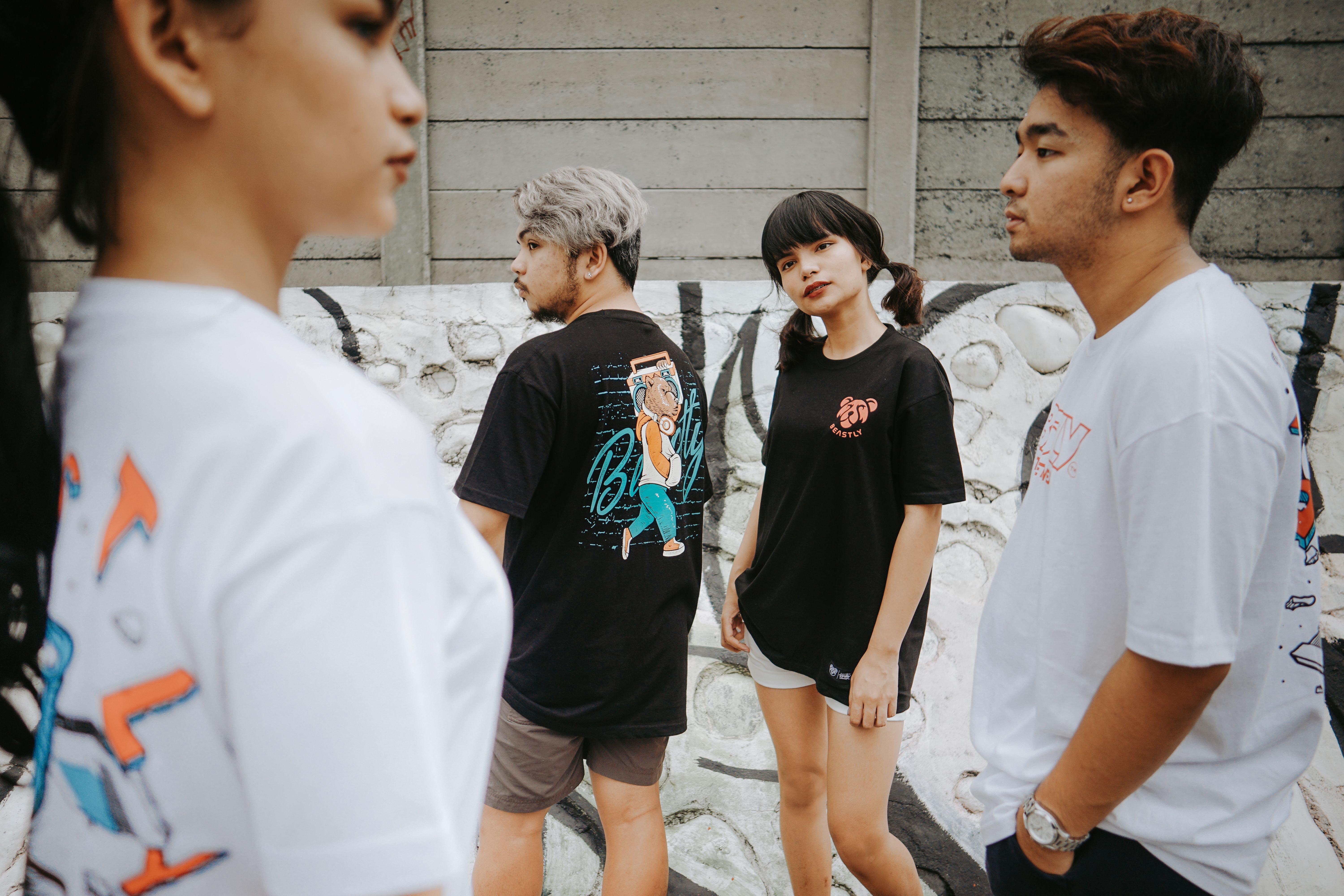
Dive deep into the eco-conscious evolution of streetwear in 2026, exploring the hottest sustainable brands, ethical fashion choices, innovative upcycling services, and investment-worthy pieces that blend cutting-edge style with environmental responsibility. Discover how to shop smart for eco-friendly sneakers, organic apparel, and circular fashion, maximizing your style and your impact.
Introduction to the Topic
In 2026, the streetwear landscape is undergoing its most profound transformation yet. What was once defined by exclusivity, rapid drops, and sometimes, a disregard for environmental impact, has matured into a movement deeply intertwined with sustainability. The "hype" hasn't faded; it's simply evolved. Today, true street credibility isn't just about owning the latest limited-edition sneaker; it's about understanding its provenance, its material makeup, and its journey beyond your closet. Welcome to the era of sustainable streetwear – where conscious consumption meets cutting-edge cool, and investing in your wardrobe means investing in the planet.
This isn't just a fleeting trend; it's a fundamental shift driven by an increasingly aware Gen Z and Alpha, who demand transparency and purpose from the brands they support. Fast fashion's reign is waning, replaced by a desire for quality, longevity, and ethical production. We’re talking about organic cotton hoodies, sneakers crafted from recycled ocean plastics, upcycled vintage tees, and innovative bio-materials that sound like they're straight out of a sci-fi novel. For the discerning fablishious.com reader, this guide will navigate the complex, yet exhilarating, world of eco-conscious streetwear, helping you make informed choices that elevate your style and your conscience. Get ready to discover how to build a wardrobe that doesn't just turn heads, but also respects the earth.
Backgrounds & Facts
The fashion industry has long been a notorious polluter, responsible for an estimated 10% of global carbon emissions and a significant contributor to water pollution and waste. Each year, millions of tons of textiles end up in landfills, often barely worn. Streetwear, with its rapid production cycles and emphasis on newness, historically contributed to this problem. However, as global environmental awareness intensified through the late 2010s and early 2020s, a reckoning was inevitable.
By 2026, the conversation has moved beyond mere awareness to tangible action. Brands are under immense pressure from consumers, regulatory bodies, and internal ethical directives to adopt more sustainable practices. We're seeing a surge in:
- Material Innovation: Organic cotton (GOTS certified), recycled polyester (rPET) made from plastic bottles, Tencel™ Lyocell (from sustainably sourced wood pulp), hemp, and exciting new bio-based materials like mushroom leather (Mylo™) and pineapple leaf leather (Piñatex™) are becoming mainstream. Brands are also experimenting with materials like algae-based dyes and carbon capture fabrics.
- Circular Economy Principles: The "take-make-dispose" model is being aggressively challenged. Brands are embracing design for longevity, repair programs, take-back schemes for recycling, and even full product lifecycle management. The resale market, once a niche, is now a multi-billion dollar industry, with platforms like Vestiaire Collective and StockX integrating sustainability metrics.
- Transparency and Traceability: Blockchain technology is increasingly used to track supply chains from raw material to finished product, allowing consumers to verify ethical sourcing and production. Certifications like Fair Trade, B Corp, and Bluesign are no longer just buzzwords but essential benchmarks for discerning shoppers.
- Reduced Waste & Water Usage: Advanced manufacturing techniques, such as 3D printing and on-demand production, minimize material waste. Waterless dyeing processes and closed-loop systems are significantly cutting down water consumption in textile production.
The shift isn't just about reducing harm; it's about creating positive impact. From regenerative agriculture projects that restore soil health to community-based manufacturing initiatives that empower local artisans, sustainable streetwear is becoming a force for good, redefining what it means to be "fresh."
Expert Opinion / Analysis
"The landscape of streetwear has fundamentally matured," states Dr. Anya Sharma, a leading expert in sustainable fashion economics and a consultant for several major lifestyle brands. "What started as niche activism has blossomed into a core consumer expectation. In 2026, 'sustainable' isn't just a marketing buzzword; it's a non-negotiable for brand loyalty, especially among younger demographics who are acutely aware of climate change and social justice issues."
Dr. Sharma emphasizes that this shift presents both immense challenges and unprecedented opportunities for brands. "The biggest hurdle is often supply chain complexity. Reconfiguring global networks to ensure ethical labor, sustainable materials, and reduced emissions requires significant investment and commitment. However, brands that genuinely embrace this—rather than merely greenwashing—are seeing exponential returns in brand equity, customer engagement, and long-term financial viability."
She points out that the "drop culture" that defined early streetwear is also adapting. "While exclusivity remains a driver, the nature of that exclusivity is changing. It's less about artificial scarcity and more about the intrinsic value of a well-made, ethically sourced, and potentially limited-edition piece. We're seeing 'investment drops' where consumers are buying into longevity, repairability, and the potential for a piece to be passed down or resold at a premium, rather than discarded after a season."
Furthermore, Dr. Sharma highlights the burgeoning role of technology. "AI is revolutionizing everything from demand forecasting, which minimizes overproduction, to material science, discovering new eco-friendly textiles. Augmented Reality (AR) and digital fashion are also playing a part, allowing brands to test designs virtually and reduce physical samples, further cutting down waste. The brands winning in 2026 are those integrating sustainability not as an afterthought, but as a foundational pillar of their innovation strategy." The future, she concludes, is not just about making less impact, but making a positive one, where every purchase is a vote for a better future.
💰 Best Options in Comparison (VERY IMPORTANT)
Navigating the sustainable streetwear market in 2026 can feel overwhelming with the myriad of claims and certifications. To help you make the smartest, most impactful choices, we've curated a selection of top-tier brands and essential services that are truly leading the charge. These options blend authentic style with genuine eco-conscious practices, ensuring your investments are both fashion-forward and future-proof.
- Option 1: Pangaia – The Material Innovators
- What they offer: Known for their revolutionary material science, Pangaia creates vibrant, minimalist basics and outerwear using groundbreaking sustainable fabrics like seaweed fiber, organic cotton, recycled cashmere, and their signature FLWRDWN™ made from wildflowers. They prioritize transparency, research, and development in sustainable textiles.
- Why choose them: If you're passionate about cutting-edge material innovation and desire comfortable, stylish pieces with a clear, positive environmental story, Pangaia is your go-to. Their pieces are designed to be staples that last.
- Option 2: Noah NYC – Ethical Hype with a Purpose
- What they offer: Founded by former Supreme creative director Brendon Babenzien, Noah offers a distinct blend of streetwear, skate, surf, and classic menswear aesthetics. Their commitment to ethical manufacturing, sourcing recycled and organic materials, and supporting fair labor practices is central to their brand identity. They often feature limited runs and collaborate with social impact initiatives.
- Why choose them: For those who appreciate classic streetwear silhouettes infused with a mature, responsible edge. Noah proves that hype can coexist with integrity, offering durable, stylish pieces that stand the test of time both aesthetically and ethically.
- Option 3: Nike 'Move to Zero' – Mainstream Sustainability at Scale
- What they offer: As a global giant, Nike's 'Move to Zero' initiative is their ambitious journey towards zero carbon and zero waste. This includes sneakers made with at least 20% recycled content by weight (e.g., Space Hippie series, Crater Foam), apparel using recycled polyester and organic cotton, and investment in renewable energy for their operations. They are making sustainable options accessible to a mass market.
- Why choose them: If you want to integrate sustainable choices into your everyday sneaker and athletic wear rotation without compromising on performance or iconic style. Nike's scale means their sustainable innovations have a huge ripple effect.
- Option 4: The Upcycler's Collective – Bespoke & Circular Services
- What they offer: This represents a growing trend of local and online services specializing in upcycling, repair, and customization. From transforming vintage garments into unique streetwear pieces to mending beloved items and offering bespoke alterations, these collectives breathe new life into existing fashion. Many also offer workshops for DIY enthusiasts.
- Why choose them: For truly unique, one-of-a-kind pieces that embody circular fashion. It's an excellent way to reduce waste, support local artisans, and express personal style with a story. Perfect for those looking to customize, repair, or create something entirely new from existing materials.
- Option 5: Vestiaire Collective – Curated Resale for Luxury & Hype
- What they offer: A leading global platform for buying and selling authenticated pre-owned luxury and designer fashion, including high-end streetwear. Vestiaire Collective promotes circularity by extending the lifespan of garments, reducing the need for new production. Their rigorous authentication process ensures quality and legitimacy.
- Why choose them: For accessing coveted, often sold-out, and high-value streetwear pieces at a more sustainable price point. It’s an investment in a piece that retains its value, reduces environmental impact, and offers a more ethical way to participate in the hype economy.
Here's a detailed comparison to help you decide:
| Option | Sustainability Focus | Price Point | Style Aesthetic | Key Offerings | Best For... |
|---|---|---|---|---|---|
| Pangaia | Cutting-edge material innovation, transparency, circularity research. | Mid-High | Minimalist, vibrant, functional basics. | Organic cotton hoodies, FLWRDWN™ outerwear, recycled activewear. | Those prioritizing material science and comfortable, durable staples. |
| Noah NYC | Ethical manufacturing, organic/recycled materials, fair labor, community focus. | High | Classic streetwear, skate/surf influences, mature and refined. | Durable tees, hoodies, outerwear, accessories. | Discerning consumers seeking ethical hype and timeless streetwear. |
| Nike 'Move to Zero' | Mass-scale recycling, material innovation, renewable energy, accessibility. | Mid | Iconic athletic & lifestyle footwear/apparel. | Crater Foam sneakers, recycled polyester apparel, sustainable performance gear. | Integrating sustainable choices into mainstream sneaker & activewear collections. |
| The Upcycler's Collective | Extreme waste reduction, creative reuse, local economy support. | Varies (Project-dependent) | Unique, bespoke, personalized, often experimental. | Custom garment creation, repair services, alterations, workshops. | Achieving truly unique, one-of-a-kind pieces and supporting circular fashion. |
| Vestiaire Collective | Extending product lifespan, reducing new production, authenticated resale. | Varies (Luxury/Hype) | Curated luxury & high-end streetwear. | Authenticated pre-owned garments, bags, shoes, accessories. | Accessing coveted, high-value pieces sustainably and investing in resale value. |
Outlook & Trends
Looking ahead to the rest of 2026 and beyond, the sustainable streetwear movement is poised for even greater innovation and integration. Several key trends are on the horizon:
- Hyper-Personalization and On-Demand Production: Expect to see more brands offering made-to-order or highly customizable pieces. This model drastically reduces waste by producing only what is sold, and often uses local manufacturing, cutting down on shipping emissions. AI will play a crucial role in predicting design trends and facilitating personalized design experiences.
- Bio-Synthetics and Lab-Grown Materials: Beyond mushroom leather, scientists are developing an astonishing array of textiles grown in labs – from spider silk proteins to bacterial cellulose – offering high performance with minimal environmental footprint. These will move from niche to mainstream, offering exciting new textures and functionalities for streetwear.
- The Metaverse and Digital-Physical Integration: Digital fashion, including NFTs and virtual wearables, will continue to influence physical production. Brands might release digital-only drops that, if popular, inform limited physical runs, further optimizing resource use. The concept of "digital twins" for physical garments could also enhance traceability and resale value.
- Regenerative Agriculture as a Design Principle: Beyond organic, brands will increasingly invest in and promote materials sourced from regenerative farms. These practices not only avoid harmful chemicals but actively improve soil health, sequester carbon, and enhance biodiversity, making fashion a tool for environmental restoration.
- Repair and Rental Revolution: The growth of dedicated repair services, both brand-specific and independent, will make extending the life of your favorite pieces easier than ever. Rental platforms for high-value or occasional-wear streetwear will also expand, offering a sustainable way to experience hype without ownership.
- Community-Driven Circularity: Expect to see more localized initiatives – clothing swaps, repair cafés, and upcycling workshops – fostering a sense of community around sustainable fashion. Brands will increasingly engage with these grassroots efforts, creating a truly circular ecosystem driven by collective action.
The future of streetwear is not just green; it's smart, innovative, and deeply connected to a global community striving for a better world.
Conclusion
The year 2026 marks a pivotal moment for streetwear, where style, ethics, and environmental responsibility converge. The days of mindless consumption are giving way to a more discerning approach, where every purchase is a statement – not just about your aesthetic, but about your values. Sustainable streetwear isn't a compromise; it's an elevation, offering superior quality, unique designs, and the profound satisfaction of knowing your wardrobe contributes positively to the planet.
By investing in brands committed to ethical practices, exploring innovative materials, and embracing circular solutions like upcycling and resale, you're not just staying ahead of the curve; you're actively shaping the future of fashion. From Pangaia's material science to Noah NYC's ethical hype, from Nike's mass-market impact to the bespoke creativity of upcycling collectives, there are abundant options to align your style with your conscience.
So, as you curate your next drop, consider its journey, its impact, and its longevity. Choose pieces that tell a story of innovation, responsibility, and enduring style. The ultimate flex in 2026 isn't just about what you wear, but how it's made, and the positive ripple effect it creates. Make your next streetwear purchase an investment – an investment in impeccable style, in a healthier planet, and in a more conscious future. Shop smart, wear proud, and truly own your impact.