
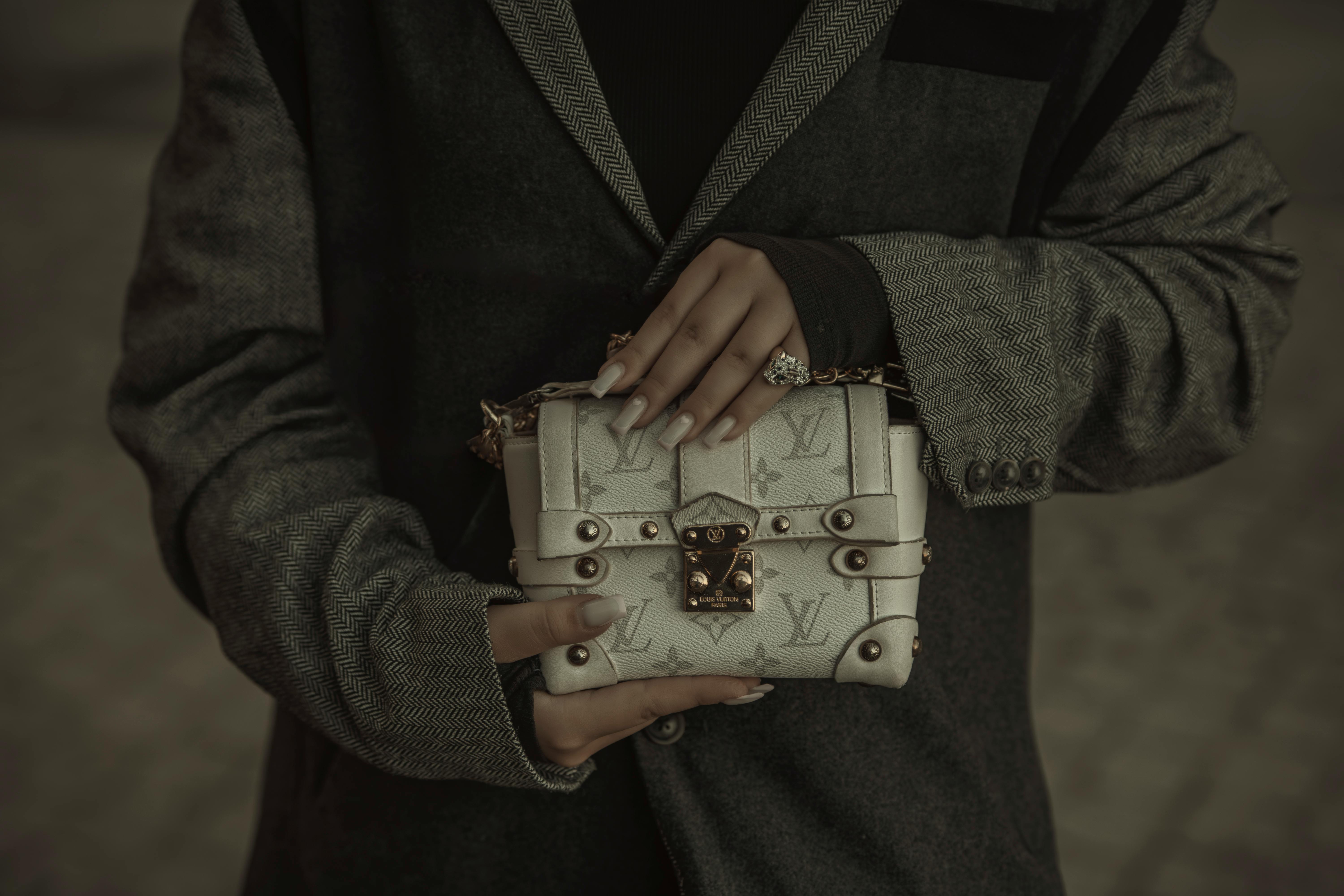
In 2026, luxury fashion is no longer solely about newness. Dive into the world of sustainable luxury and the booming pre-owned market, where savvy consumers are making ethical, eco-conscious, and financially intelligent investments. Discover top brands championing circularity and the definitive guide to the best authenticated resale platforms for buying and selling designer pieces.
Introduction to the Topic
Welcome to 2026, where the landscape of luxury fashion has undergone a seismic shift. The days of conspicuous consumption without conscience are rapidly fading, replaced by a sophisticated appreciation for longevity, ethics, and genuine value. Today's discerning luxury consumer isn't just seeking exquisite craftsmanship and unparalleled design; they demand transparency, sustainability, and a smart investment. This isn't a fleeting trend; it’s a profound redefinition of luxury itself, driven by a global consciousness that values impact alongside opulence.
At the heart of this transformation are two powerful forces: the rise of truly sustainable luxury brands and the explosive growth of the authenticated pre-owned market. Together, they form the bedrock of a circular fashion economy that promises both environmental responsibility and remarkable financial returns. Forget fleeting trends; in 2026, smart luxury is about acquiring pieces that tell a story, hold their value, and contribute to a better future. Whether you're a seasoned collector or a newcomer to high-end fashion, understanding this evolution is key to curating a truly exceptional and future-proof wardrobe.
Backgrounds & Facts
The journey towards sustainable and circular luxury is not new, but its acceleration in the mid-2020s has been unprecedented. By 2026, the global luxury resale market is projected to exceed $70 billion, dwarfing the growth rate of the primary luxury market. This exponential expansion is fueled by several factors:
-
Consumer Demand for Ethics: A new generation of luxury buyers, particularly Gen Z and Millennials, are increasingly prioritizing brand values. Research consistently shows that a significant percentage are willing to pay a premium for sustainable products and are actively seeking brands with strong ethical credentials.
-
Environmental Imperative: The fashion industry's historical environmental footprint is undeniable. Luxury brands, once slower to adapt, are now investing heavily in sustainable materials (e.g., organic silks, recycled cashmere, innovative vegan leathers), transparent supply chains, reduced waste, and carbon-neutral initiatives. The pressure from consumers, regulators, and investors has made sustainability a core business strategy, not just a marketing add-on.
-
Technological Advancements: The proliferation of AI-powered authentication, blockchain traceability, and advanced logistics has legitimized and streamlined the pre-owned market. Buyers can now purchase with confidence, knowing their investment is genuine, and sellers can trust platforms to handle their valuable items securely.
-
Investment Potential: Certain luxury items, particularly iconic handbags from Hermès, Chanel, and Louis Vuitton, have consistently outperformed traditional investments like stocks and gold. This makes pre-owned luxury an attractive asset class for savvy investors looking to diversify their portfolios while enjoying tangible, wearable assets.
-
Accessibility and Affordability: The resale market offers an entry point into luxury for a broader demographic, making aspirational brands more accessible. It also allows existing luxury owners to refresh their collections by selling items they no longer use, creating a dynamic, self-sustaining ecosystem.
Major luxury conglomerates like Kering and LVMH have integrated circularity into their core strategies. Kering, for instance, has long championed initiatives like Gucci's 'Off The Grid' collection and Stella McCartney's pioneering fully sustainable approach. LVMH is expanding its repair services, investing in innovative materials, and exploring its own branded resale channels, signaling a commitment that goes beyond mere compliance.
Expert Opinion / Analysis
“The luxury sector in 2026 is a fascinating paradox,” states Dr. Elara Vance, a leading analyst in sustainable luxury trends. “While exclusivity remains paramount, the definition of what constitutes 'exclusive' has broadened. It’s no longer just about rarity in production, but rarity in ethical sourcing, sustainable innovation, and enduring value. A vintage Hermès Birkin, meticulously authenticated and cared for, holds as much, if not more, cachet than a brand-new seasonal piece, precisely because of its history and investment potential.”
Dr. Vance emphasizes that brands are walking a tightrope. “Consumers want sustainability, but not at the expense of luxury aesthetics or quality. The brands succeeding are those that seamlessly integrate eco-conscious practices into their DNA without compromising on the dream. Think of Gabriela Hearst at Chloé, elevating natural materials and artisanal craft, or Loewe’s 'Repair, Remake, Revive' initiatives that celebrate the longevity of their leather goods.”
The challenges, she notes, are substantial. “Authenticity remains the cornerstone of the pre-owned market. While AI and blockchain are powerful tools, human expertise is irreplaceable. Brands also face the dilemma of embracing resale without cannibalizing their primary sales. The solution lies in strategic partnerships, like Alexander McQueen with Vestiaire Collective, which allows brands to control their narrative and engage with the circular economy on their own terms.”
For consumers, this means a more informed and empowering purchasing journey. “Buying luxury in 2026 is an act of curation and investment,” Dr. Vance concludes. “It’s about understanding the provenance of an item, its material composition, its potential for appreciation, and its overall contribution to a more sustainable world. This isn’t just shopping; it’s conscious collecting.”
💰 Best Options in Comparison (VERY IMPORTANT)
Navigating the luxury market in 2026 offers incredible opportunities, whether you're seeking to invest in cutting-edge sustainable designs or acquire timeless pre-owned masterpieces. Here’s your definitive guide to the best options:
Leading Sustainable Luxury Brands & Collections:
-
Stella McCartney: The undisputed pioneer, Stella McCartney has been a beacon of cruelty-free and sustainable luxury since its inception. In 2026, they continue to innovate with next-gen materials like Mylo™ mycelium leather and regenerative cotton, proving luxury doesn't require compromise.
-
Gabriela Hearst (Chloé & Own Brand): Known for her commitment to natural fibers, artisanal techniques, and a minimal environmental footprint, Gabriela Hearst’s vision for Chloé has elevated its sustainability credentials. Her eponymous label sets the standard for responsible luxury, utilizing deadstock fabrics and meticulous craftsmanship.
-
LOEWE: Under Jonathan Anderson, LOEWE champions craft and responsible production. Their 'Paula's Ibiza' collections often feature upcycled elements, and their commitment to preserving artisanal techniques ensures longevity and reduces waste.
-
Gucci 'Off The Grid': Part of Gucci's Circular Lines, 'Off The Grid' showcases products made from recycled, organic, bio-based, and sustainably sourced materials. It's a testament to how a major house can integrate sustainability without sacrificing its iconic aesthetic.
-
Chanel: While not fully sustainable across all lines, Chanel continues to make significant strides in traceability, ethical sourcing of precious materials, and investing in new sustainable textile technologies. Their commitment to repair and restoration services also extends the life of their coveted pieces.
Top Authenticated Luxury Resale Platforms:
For those looking to invest in pre-owned luxury, these platforms offer unparalleled selection, rigorous authentication, and excellent buyer/seller services:
-
The RealReal: A leading luxury consignment marketplace, The RealReal offers a vast inventory of authenticated designer clothing, handbags, jewelry, and home goods. They employ a team of in-house experts to authenticate every item, providing a high level of trust for buyers.
-
Vestiaire Collective: With a strong global presence, Vestiaire Collective is a community-driven platform known for its extensive selection and robust authentication process. They offer various shipping options, including direct shipping for speed, and have increasingly partnered with luxury brands for official resale programs.
-
Fashionphile: Specializing in ultra-luxury handbags, accessories, and jewelry, Fashionphile is renowned for its meticulous authentication and condition grading. They offer upfront payments for sellers and a strong buy-back program, making it a favorite for those focused on high-value investments.
-
Farfetch Pre-Owned: Integrated into the broader Farfetch luxury e-commerce platform, this section curates pre-owned pieces from reputable boutiques and sellers worldwide. It offers a seamless shopping experience for those who appreciate a curated selection alongside new collections.
-
Sotheby's / Christie's: For the truly rare and investment-grade pieces (think exceptional Hermès Birkins, vintage Chanel haute couture, or unique jewelry), the traditional auction houses provide unparalleled expertise, provenance, and global reach. These are for the serious collector.
Comparison of Leading Resale Platforms
| Feature | The RealReal | Vestiaire Collective | Fashionphile |
|---|---|---|---|
| Primary Focus | Broad luxury consignment (apparel, handbags, jewelry, home) | Global community marketplace (apparel, handbags, accessories) | Ultra-luxury handbags, accessories, jewelry |
| Authentication Process | In-house experts, AI, multi-point inspection for every item | Dedicated authentication team, AI, community reporting, physical checks (optional or mandatory depending on item) | Highly rigorous in-house expert authentication, lifetime authenticity guarantee |
| Seller Payout Model | Consignment (tiered commission based on sales volume) | Direct sale (fixed commission or flexible based on item price) | Upfront payment for accepted items, consignment, or trade-in |
| Buyer Protection | Returns for most items, full refund if authenticity issue | Returns for most items, full refund if authenticity or significant discrepancy | Returns for most items, lifetime authenticity guarantee, excellent customer service |
| Inventory Size | Very large and diverse | Very large and diverse | Large, highly curated, and high-value |
| Global Reach | Primarily North America, expanding internationally | Strong global presence | Primarily North America, international shipping available |
Beyond Buying: Luxury Services
To truly embrace circularity, consider these vital services:
-
Luxury Repair and Restoration: Extend the life of your beloved pieces. Specialized services like The Leather Surgeons or local master cobblers and ateliers can breathe new life into worn handbags, shoes, and garments, preserving your investment.
-
Luxury Rental Platforms: For special occasions or to experiment with trends sustainably, platforms like Rent the Runway (expanding into luxury tiers) or By Rotation offer access to high-end fashion without the commitment of ownership, reducing waste and promoting shared consumption.
Outlook & Trends
The trajectory of sustainable and pre-owned luxury in 2026 points to even greater integration and innovation:
-
Brand-Owned Resale: Expect more luxury brands to launch their own branded resale channels or deepen partnerships with existing platforms. This allows them to control the secondary market narrative, maintain brand integrity, and capture a share of the booming resale profits.
-
Hyper-Personalization in Circularity: AI will play an even larger role, not just in authentication, but in matching buyers with their ideal pre-owned pieces based on style preferences, investment potential, and sustainability criteria. Customization and upcycling services will also become more mainstream.
-
Blockchain & Digital Passports: The adoption of blockchain for product traceability and digital ownership certificates will become standard. Imagine a 'digital passport' for your luxury item, detailing its provenance, materials, repair history, and even its carbon footprint – enhancing transparency and trust.
-
Luxury as a Service (LaaS): The rental model will continue to evolve, with subscription services offering curated luxury wardrobes, and brands exploring innovative ways to offer access to their products without outright ownership, appealing to a younger, experience-driven demographic.
-
Investment in Bio-Innovation: Research into sustainable materials will accelerate, bringing forth even more advanced alternatives to traditional leathers and fabrics, further reducing the environmental impact of new luxury production.
Conclusion
In 2026, luxury fashion is synonymous with smart choices. The era of the conscious consumer has fully arrived, transforming the industry from linear consumption to a vibrant, circular ecosystem. By embracing sustainable new luxury and strategically investing in authenticated pre-owned pieces, you’re not just making a fashion statement; you’re making a financial statement and a commitment to a more responsible future.
Whether you're seeking the avant-garde sustainability of a Stella McCartney piece, the timeless elegance of a vintage Chanel, or the investment security of a Hermès Birkin from Fashionphile, the options are richer and more responsible than ever before. Dive in, explore the possibilities, and curate a wardrobe that truly reflects your values, your style, and your savvy investment strategy. The future of luxury is here, and it’s fabulously sustainable.