
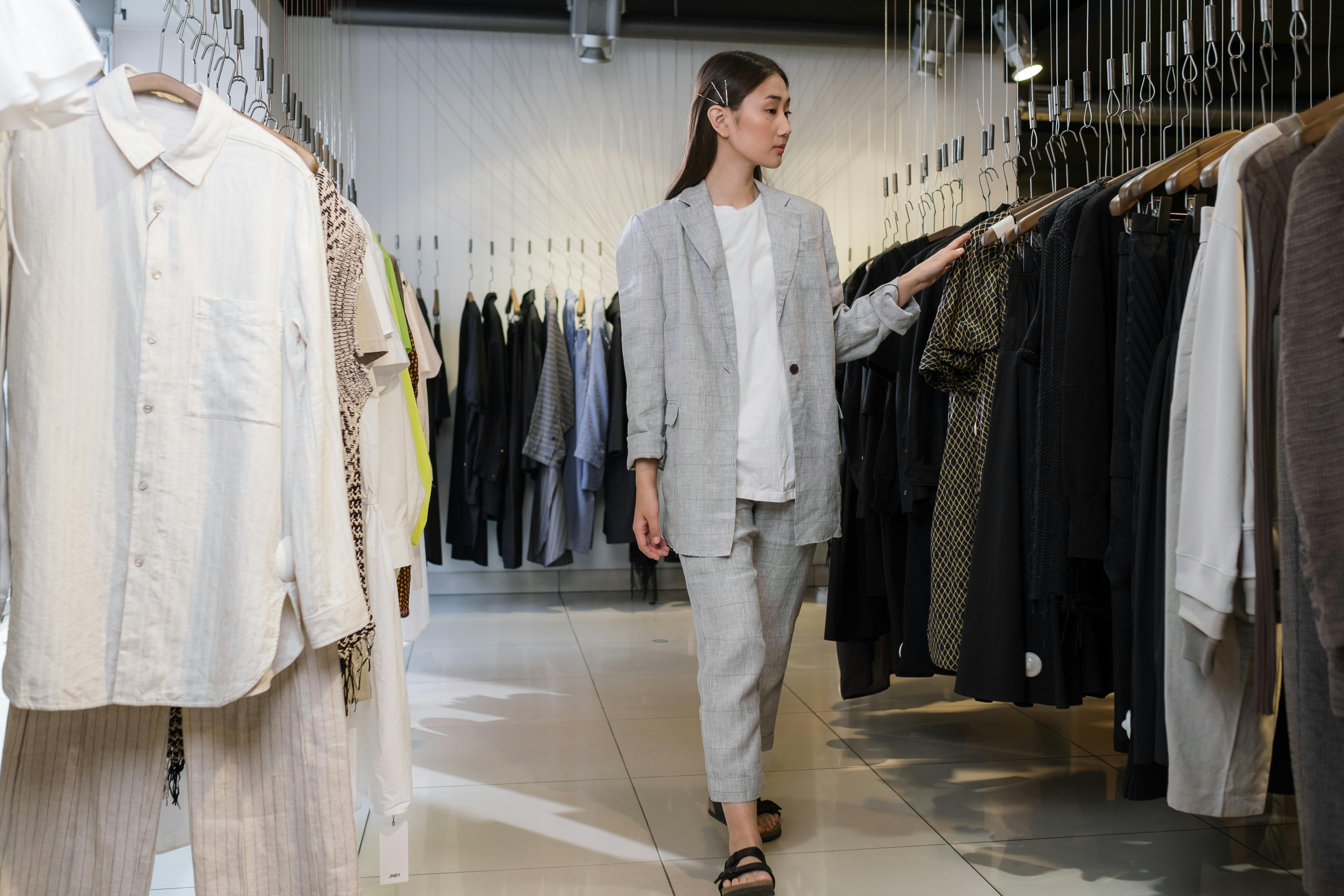
In 2026, sustainable fashion isn't just a trend; it's a movement. Discover how to build an eco-chic, circular wardrobe that minimizes environmental impact, maximizes style, and offers real value. Explore top ethical brands, innovative rental services, thriving resale platforms, and expert repair options to make conscious fashion choices that benefit your wallet and the planet. Get ready to transform your style with purpose.
Introduction to the Topic
Welcome to 2026, where the fashion landscape is undergoing its most transformative shift yet. The days of blindly chasing fleeting trends, fueled by cheap, disposable garments, are rapidly becoming a relic of the past. Today, a new ethos reigns supreme: sustainable fashion, deeply intertwined with the powerful concept of circularity. This isn't merely about choosing organic cotton; it's about a holistic approach to how we consume, wear, and value our clothing. Consumers are more informed and empowered than ever, demanding transparency, ethical production, and environmental responsibility from their favorite brands. The global conversation around climate change and social equity has reached a fever pitch, pushing the fashion industry to redefine its very foundations. At fablishious.com, we believe that style and sustainability are not mutually exclusive – they are the ultimate power duo for the modern trendsetter. This comprehensive guide will navigate the exciting world of circular fashion in 2026, offering you the insights and actionable strategies to curate a wardrobe that not only looks incredible but also reflects your values, saves you money, and contributes positively to our planet.
Backgrounds & Facts
The urgency for sustainable fashion stems from decades of environmental degradation and social injustices perpetrated by the traditional linear 'take-make-dispose' model. Fast fashion, characterized by rapid production cycles, low costs, and poor quality, has led to staggering statistics. Annually, the fashion industry accounts for up to 10% of global carbon emissions, more than international flights and maritime shipping combined. Textile waste is a monumental issue, with an estimated 92 million tons of textile waste generated globally each year, much of which ends up in landfills, taking hundreds of years to decompose and releasing harmful methane gas. Furthermore, the industry's reliance on synthetic fibers like polyester contributes to microplastic pollution in our oceans, while conventional cotton farming is incredibly water-intensive and often uses harmful pesticides.
In response, the concept of circular fashion has gained significant traction. Unlike the linear model, circularity aims to keep resources in use for as long as possible, extracting maximum value from them while in use, then recovering and regenerating products and materials at the end of each service life. This involves designing clothes for durability, repairability, and recyclability, promoting practices like upcycling, reselling, renting, and repairing. Governments worldwide, including the EU's ambitious Green Deal and the US's growing focus on eco-friendly manufacturing incentives, are enacting policies to curb textile waste and promote circularity. Consumer awareness has skyrocketed, with studies in early 2026 showing that over 70% of Gen Z and Millennials prioritize sustainable practices when making purchasing decisions. This isn't just a niche movement; it's the mainstream future of how we interact with our clothes.
Expert Opinion / Analysis
“The shift to circular fashion isn't just an option anymore; it’s an imperative for survival, both for the planet and for brands wishing to remain relevant,” states Dr. Elara Vance, a leading Environmental Fashion Economist and CEO of 'EcoTrend Analytics.' “In 2026, we’re witnessing a critical inflection point. Brands that fail to integrate robust circular strategies – from regenerative sourcing to transparent end-of-life solutions – are quickly losing market share to agile, purpose-driven competitors. Consumers are no longer fooled by greenwashing; they demand verifiable impact reports, clear ethical supply chains, and tangible commitments to reducing waste.”
Dr. Vance emphasizes the economic benefits of this transition. “Initially, the investment in sustainable materials or closed-loop systems might seem higher, but the long-term gains are undeniable. Reduced raw material dependency, enhanced brand loyalty, compliance with evolving regulations, and access to new revenue streams through rental or resale models provide a significant competitive advantage. We’re seeing a boom in companies specializing in textile recycling technologies, garment repair networks, and even AI-powered material traceability platforms. This isn’t just about being 'nice' to the environment; it’s smart business.”
She also highlights the role of technology. “Blockchain for supply chain transparency, AI for optimizing material usage and predicting repair needs, and advanced bio-fabric innovations are accelerating the circular transition. The future of fashion is inherently technological and deeply ethical. For the consumer, this means unprecedented access to information and a wider array of truly sustainable choices, allowing them to build a stylish wardrobe that aligns perfectly with their values and budget.”
💰 Best Options in Comparison (VERY IMPORTANT)
Navigating the world of circular fashion offers a plethora of options to suit every style, budget, and commitment level. Here’s how you can embrace sustainable practices and make impactful purchasing decisions in 2026:
- Invest in Ethical & Sustainable Brands: Look for brands with certifications like GOTS (Global Organic Textile Standard), Fair Trade, B Corp, or Cradle to Cradle. These brands prioritize eco-friendly materials, fair labor practices, and transparent supply chains. Examples include Patagonia (renowned for durability and repair programs), Girlfriend Collective (recycled activewear), and Reformation (sustainable materials, detailed impact reports).
- Embrace Fashion Rental Services: For special occasions, seasonal trends, or simply to refresh your look without commitment, rental platforms are a game-changer. They offer access to high-end and designer pieces at a fraction of the retail price, extending the lifespan of garments significantly. Consider services like Rent the Runway (designer fashion for events and everyday), Nuuly (monthly subscription for a rotating wardrobe), or local boutique rental programs that are gaining popularity.
- Shop & Sell on Resale & Consignment Platforms: Give clothes a second life by buying pre-loved or selling items you no longer wear. This reduces demand for new production and keeps textiles out of landfills. Luxury consignment thrives on platforms like The RealReal and Vestiaire Collective, while everyday fashion finds a home on sites like Poshmark, Depop, and ThredUp. Many brands are now launching their own in-house resale programs too.
- Utilize Repair & Upcycling Services: Don't discard; repair and reimagine! Extending the life of a garment by even nine months can reduce its carbon, water, and waste footprint by around 20-30%. Seek out local tailors and cobblers for repairs. Platforms like Restore & Rewear (an emerging online repair network) offer mail-in services for everything from zippers to denim patching. For creative upcycling, consider workshops or online tutorials to transform old items into new treasures.
Here’s a comparison of key approaches to building your circular wardrobe:
| Approach | Key Benefit | Best For | Cost Implication | Environmental Impact |
|---|---|---|---|---|
| Buying New Sustainable | Supporting ethical production, high quality, new item experience. | Investment pieces, basics, items not easily found pre-loved. | Higher initial cost, long-term value. | Significantly lower than fast fashion, if truly ethical. |
| Renting Fashion | Access to variety, trying trends without ownership, event wear. | Special occasions, seasonal updates, experimenting with style. | Subscription fee or per-rental cost, cost-effective for variety. | Reduces new production, extends garment life, but involves shipping/cleaning. |
| Reselling/Buying Pre-Loved | Unique finds, affordability, extending garment life. | Everyday wear, designer items at a discount, vintage treasures. | Highly affordable, potential for earning by selling. | Massively reduces waste and carbon footprint from new production. |
| Repairing/Upcycling | Preserving beloved items, customisation, creativity. | Extending the life of existing garments, personalizing wardrobe. | Low cost (DIY) to moderate (professional service), saves buying new. | Zero new resource consumption, ultimate waste reduction. |
Outlook & Trends
The journey towards a fully circular fashion industry is far from over, but the trajectory is clear and exciting. By 2030, expect to see widespread adoption of innovative bio-materials derived from algae, mushrooms, and agricultural waste, offering biodegradable and regenerative alternatives to traditional fabrics. Blockchain technology will become standard for tracking garments from farm to closet, providing unparalleled transparency regarding their origin, environmental footprint, and ethical credentials. AI-powered design platforms will optimize material usage, minimize waste in production, and even facilitate personalized upcycling instructions for consumers.
The concept of 'Product as a Service' will expand beyond rentals, with brands offering subscription models for repairs, cleaning, and even garment upgrades. Retail spaces will transform into circular hubs, combining shopping with repair stations, textile recycling drop-offs, and community upcycling workshops. Digital fashion and NFTs will continue to grow, offering a zero-physical-waste avenue for creative expression, influencing physical trends while reducing the need for material consumption. The future of fashion is intelligent, interconnected, and deeply rooted in a respect for resources and people, making sustainable and circular choices not just an option, but the default for every stylish individual.
Conclusion
As we navigate 2026 and beyond, the power to shape a more sustainable and stylish future lies firmly in our hands. Embracing eco-chic and circular wardrobe practices isn't about sacrificing style; it's about elevating it with purpose and intelligence. By choosing ethical brands, exploring rental and resale options, and committing to repair and upcycling, you become an active participant in a global movement that values longevity, quality, and responsibility over fleeting trends and disposable consumption. Your wardrobe can be a powerful statement—a testament to your impeccable taste and your commitment to a healthier planet. Start making those conscious choices today, and redefine what it means to be truly fashionable in the 21st century.