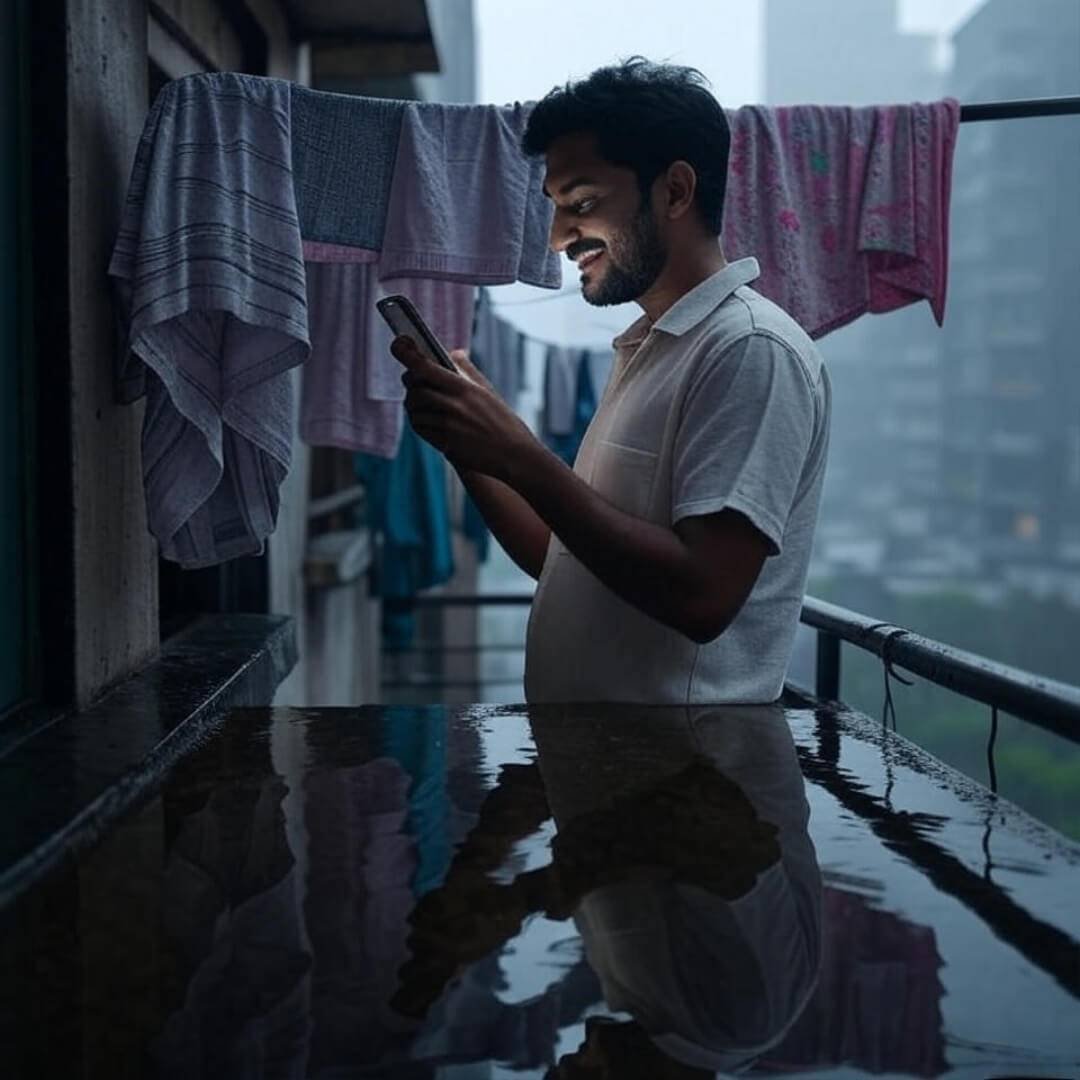
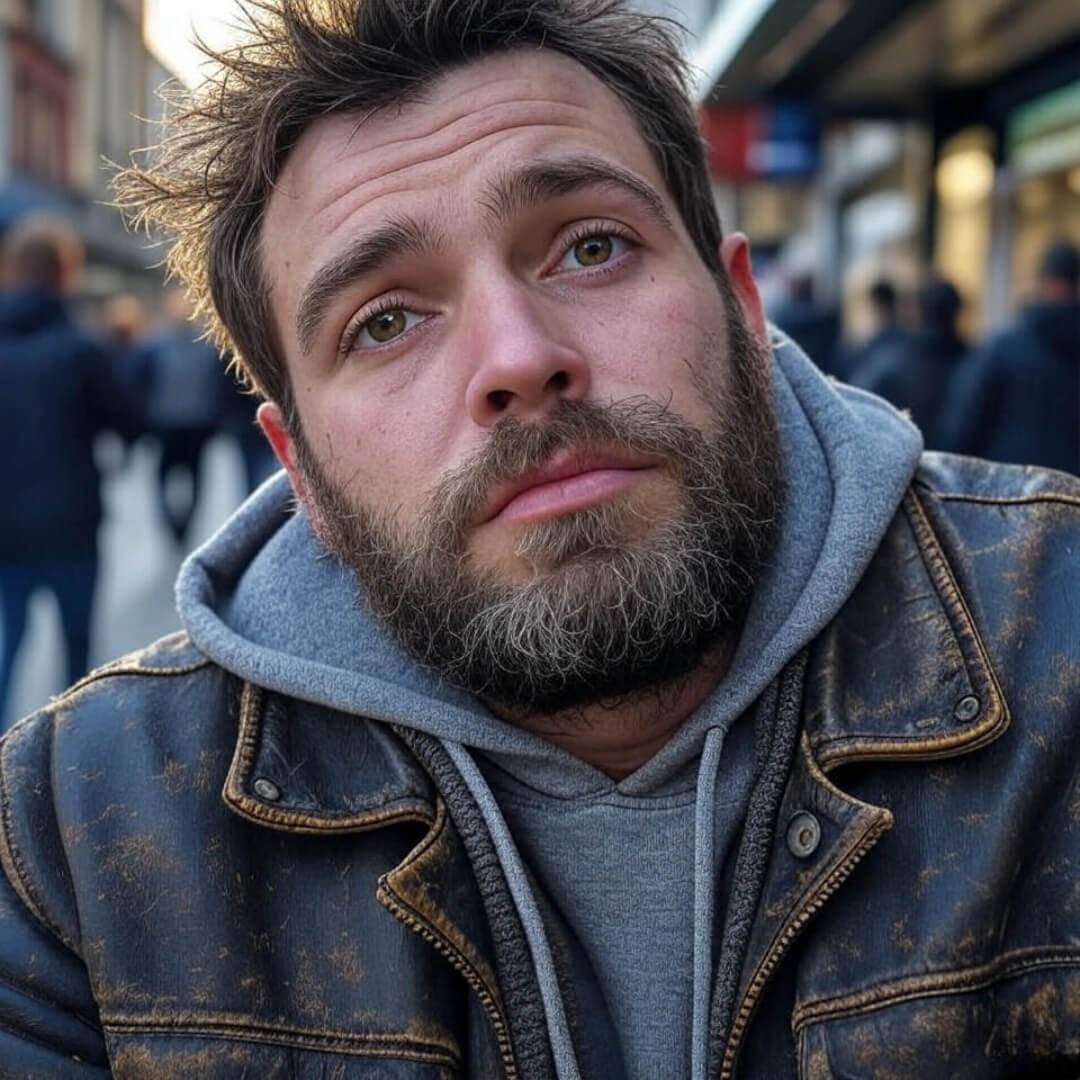




Ethical clothing, man. I’m slumped on a wobbly chair in my tiny Mumbai apartment, the fan squeaking like it’s begging for mercy, and the air’s heavy with street-side vada pav grease and jasmine from somewhere. I’m staring at this faded tee I’m wearing, wondering if it’s, like, actually ethical or just some fast-fashion scam. Back in the States, I’d snatch up $5 shirts from big stores without blinking. But India? The textiles here are like poetry—vibrant, chaotic, alive—and I’m kicking myself for not caring sooner. Total dumb move.
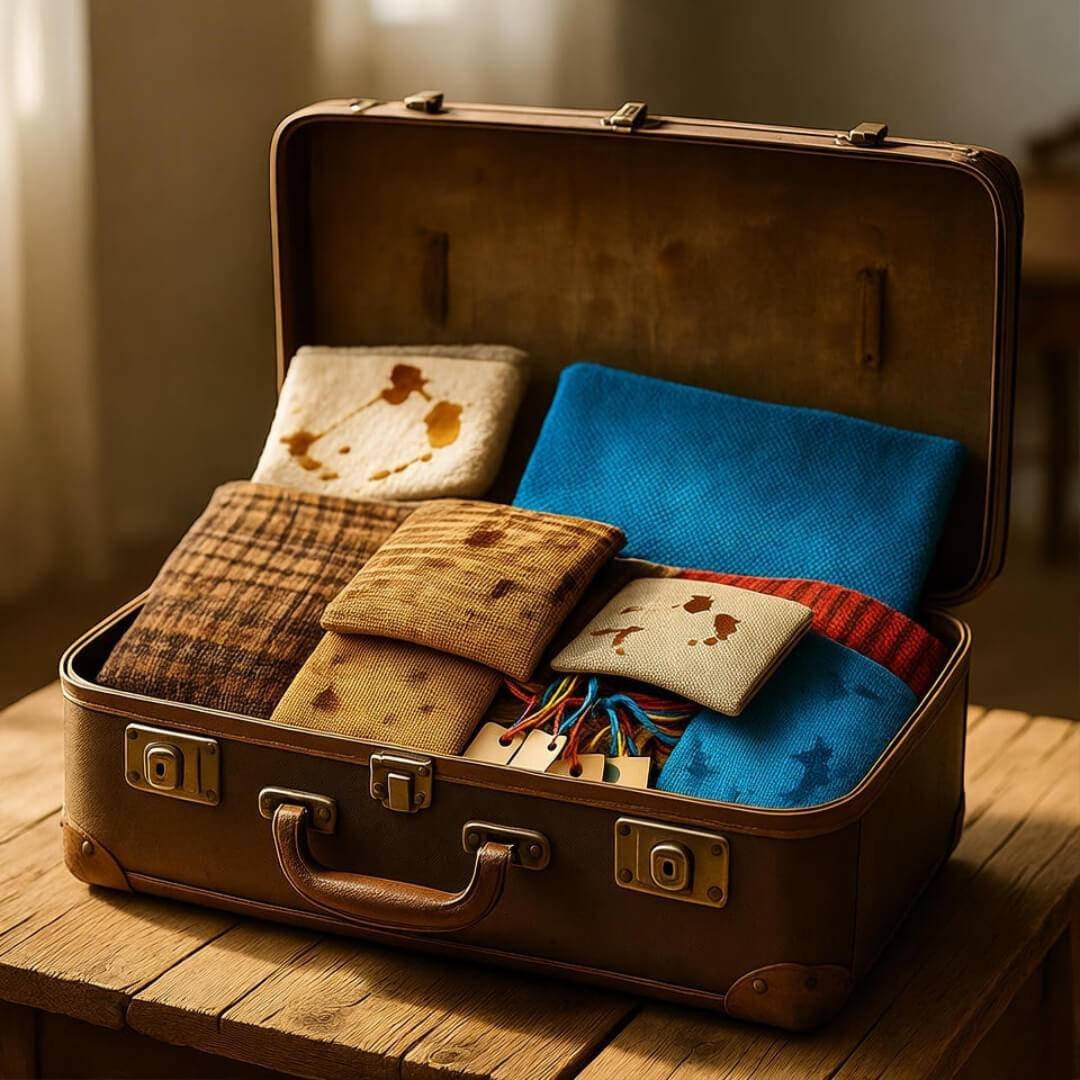
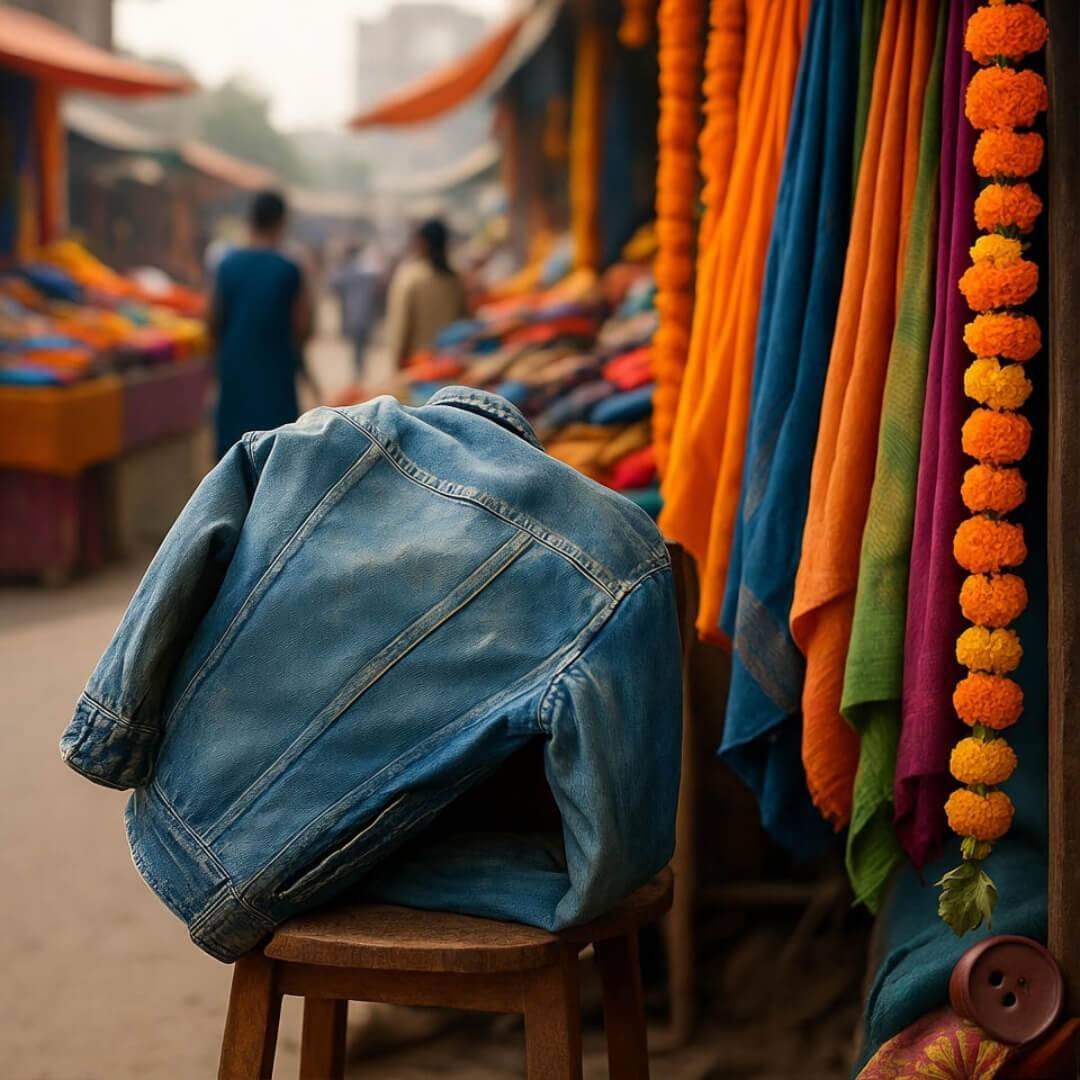
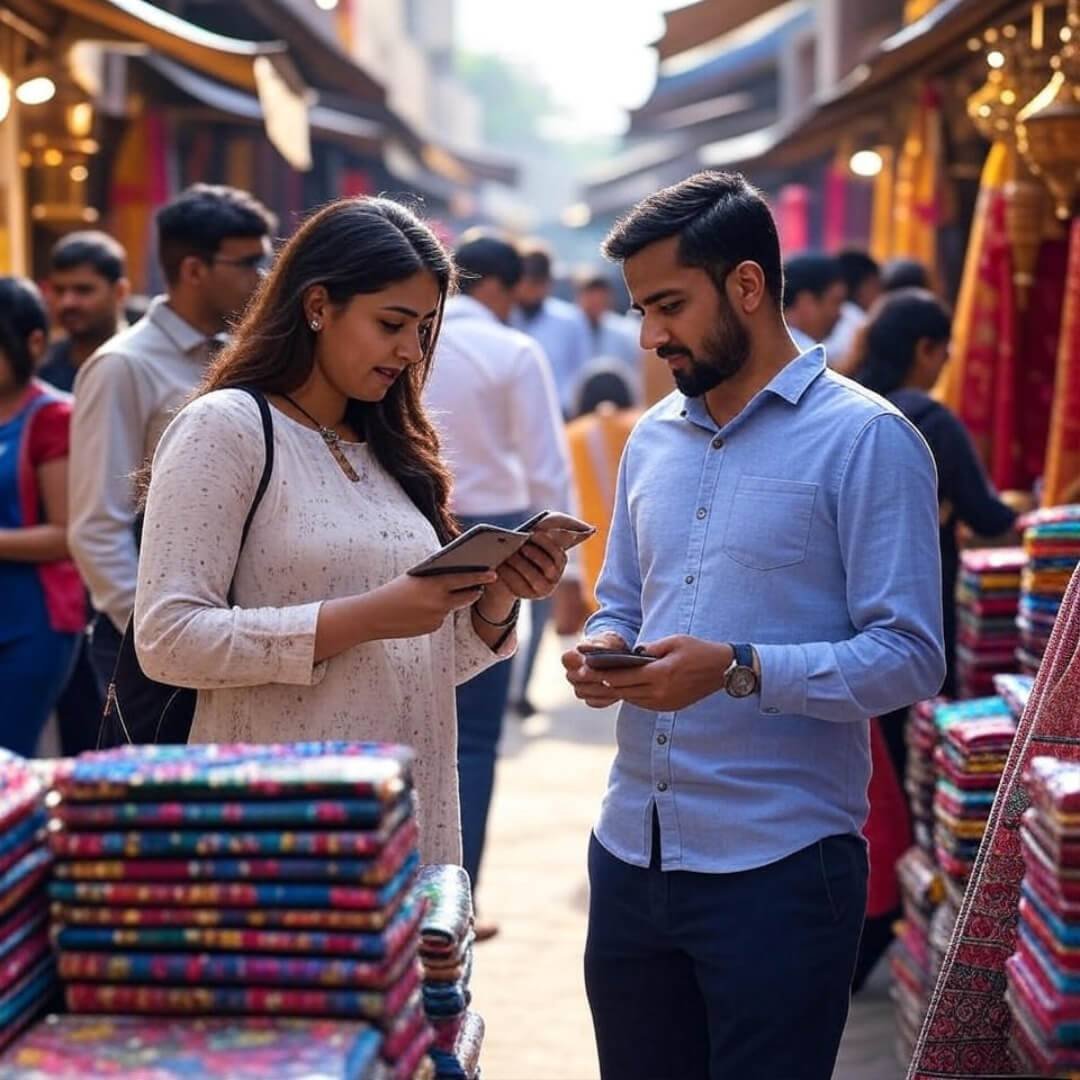
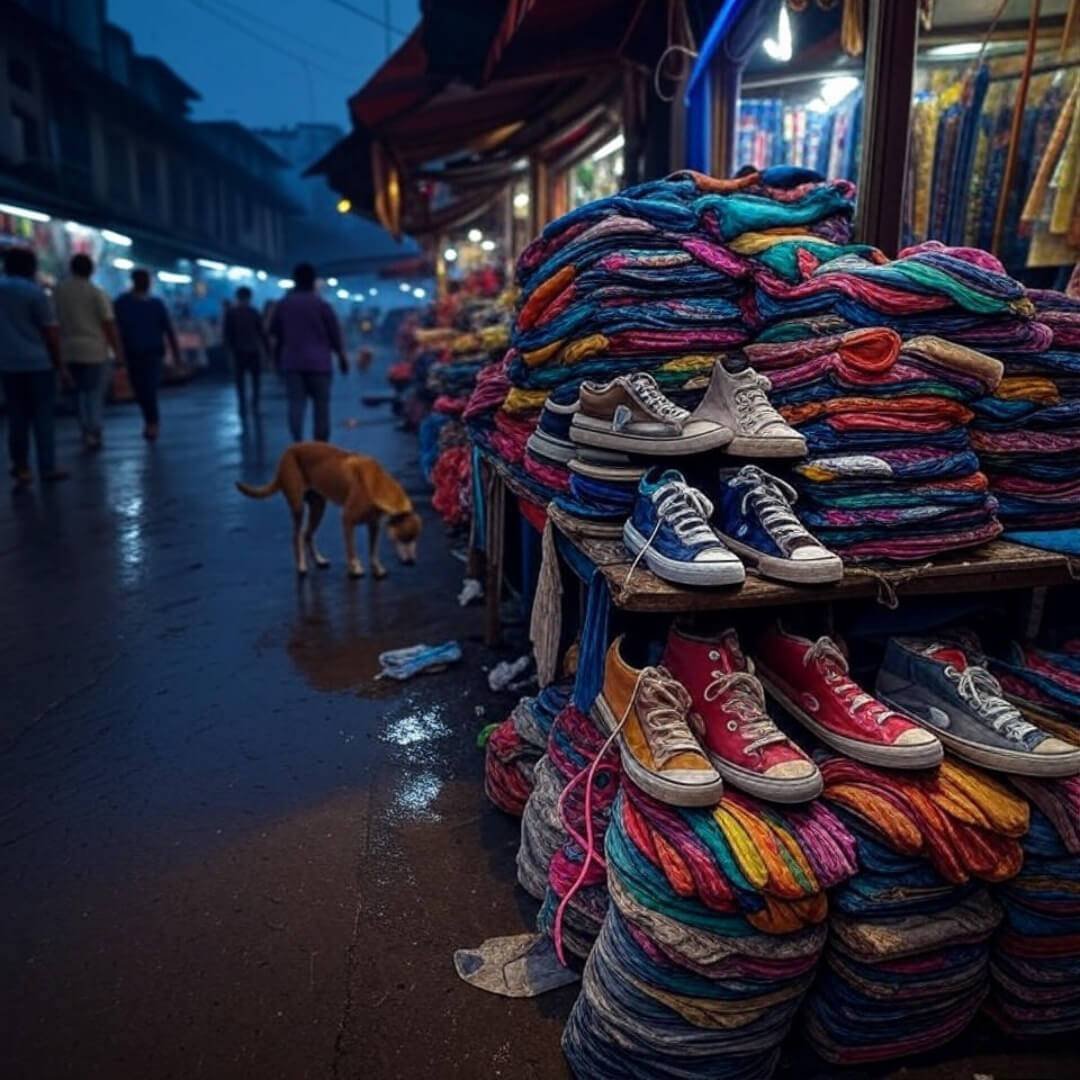
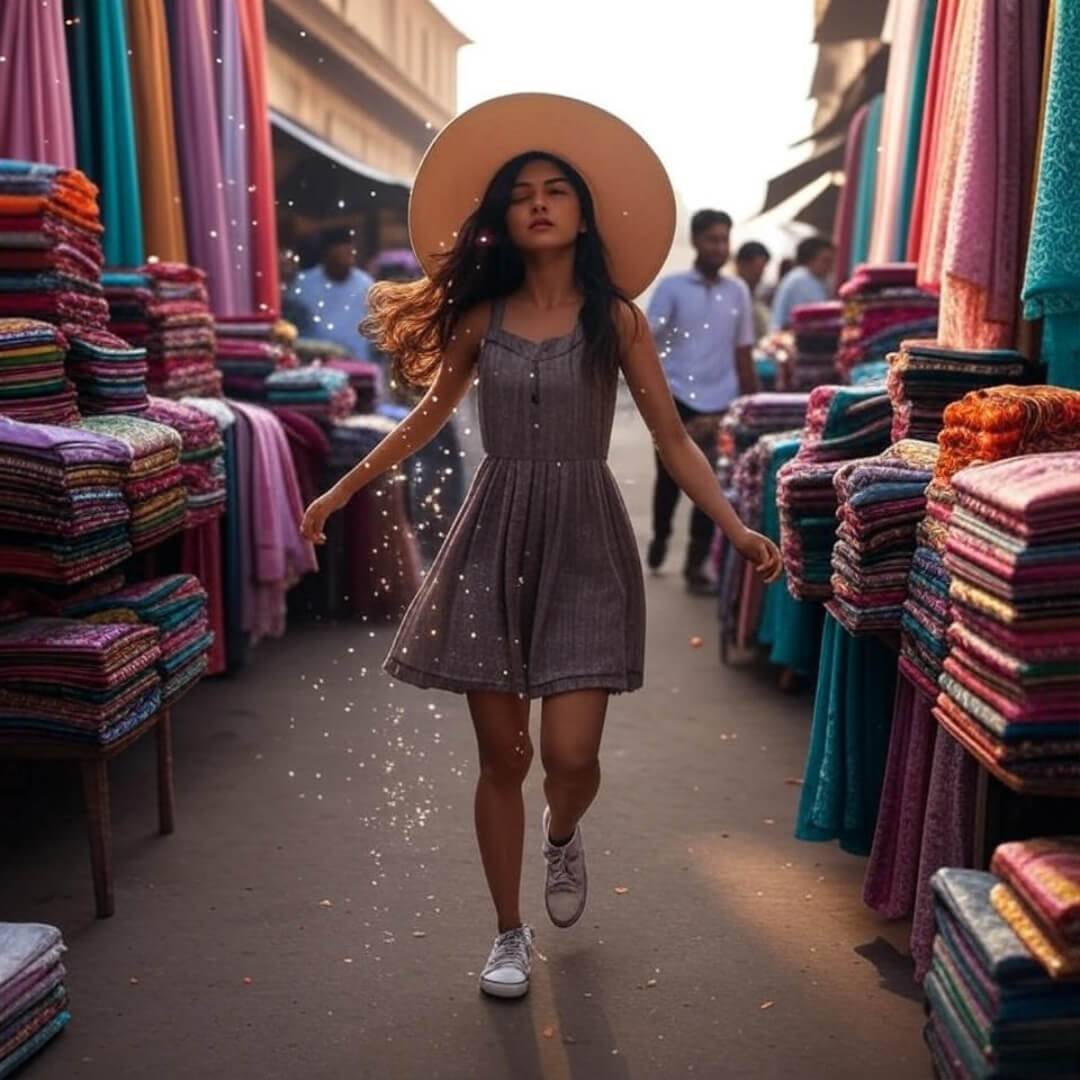
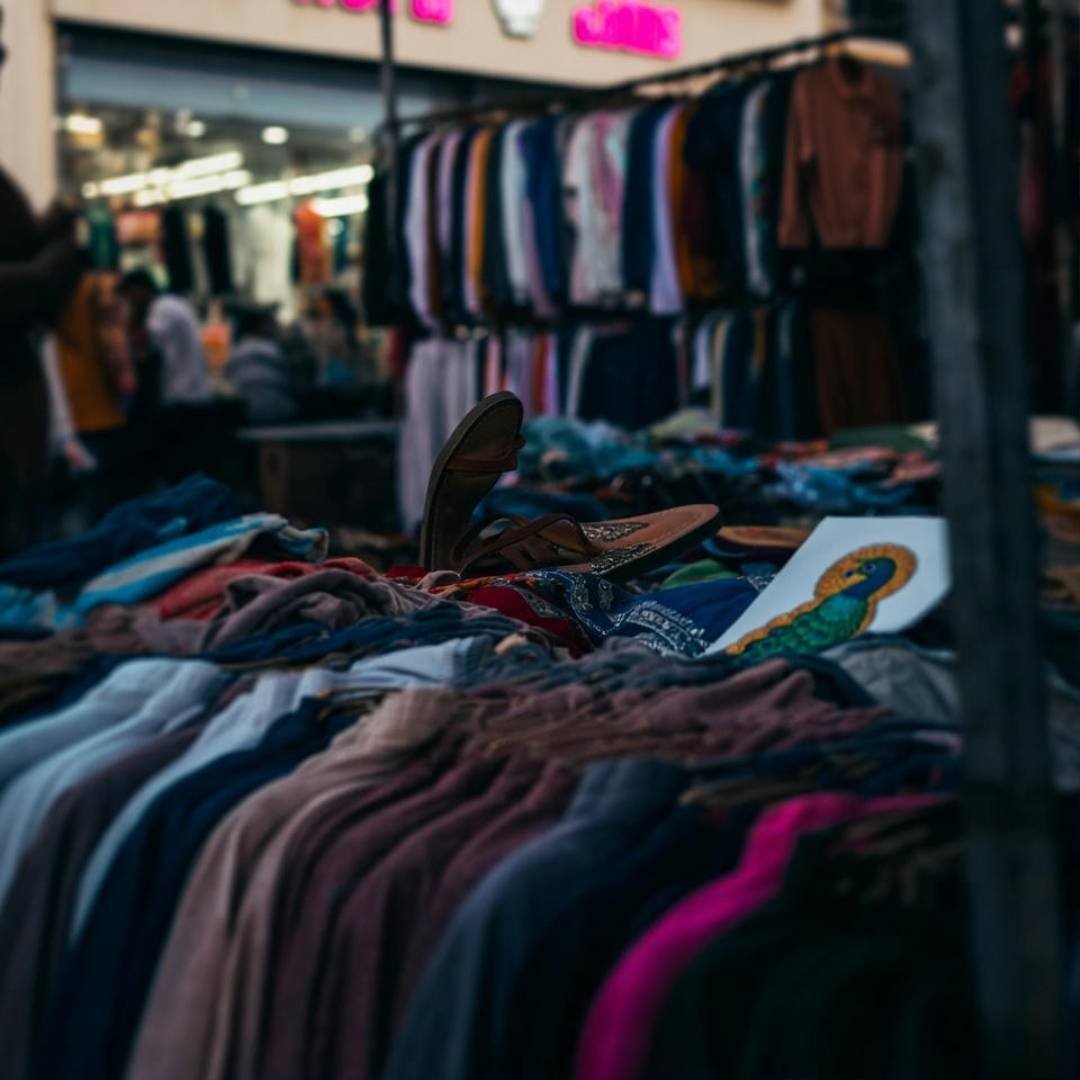
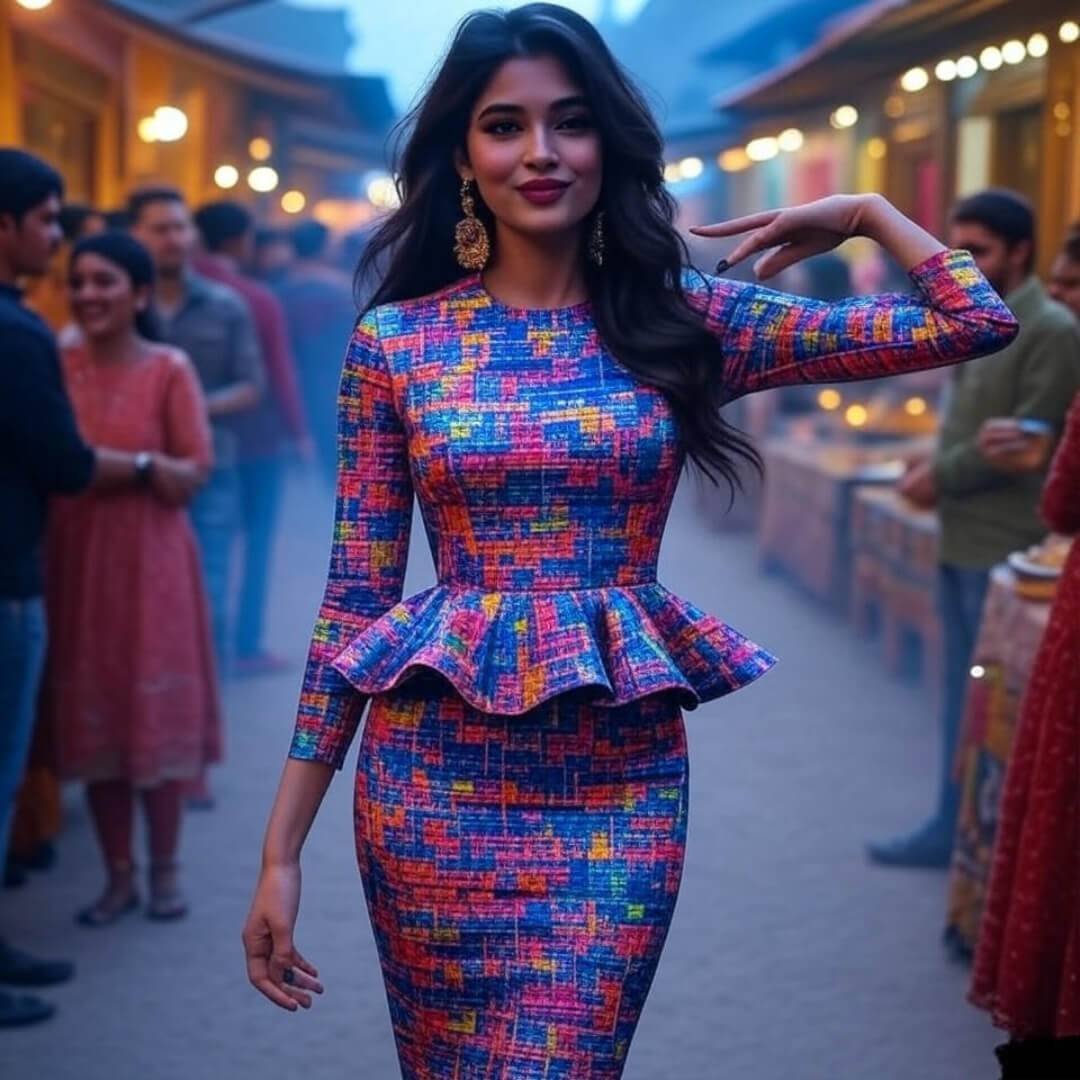
Last Saturday, I got lost in a Bandra market, dodging rickshaws and aunties shouting deals. Saw this sick handwoven kurta, thought I was basically saving the world buying it. Got home, checked the tag—“Made in Bangladesh.” My heart sank. Ethical? Sustainable? No idea. I stood there, sweaty, in my cheap flip-flops, feeling like a clueless American tourist. Like, I thought I had this figured out, but nope.
Why Ethical Clothing’s a Big Deal (And Why I Was Blind to It)
Real talk: I used to think ethical clothing was for rich yoga moms or whatever. Who’s got time to Google their socks’ origin story? But India’s flipped that. You walk past these little tailor stalls, see people stitching in the open, hear murmurs about garment workers—it’s real. Ethical clothing’s not just fancy organic cotton; it’s about the folks making it. Are they paid enough to eat? Is the factory safe? I didn’t get it ‘til I saw this gross, chemical-smelling river near a dyeing unit in Surat. My bad, big time.
Here’s what I’ve learned, mostly by messing up:
- Fair pay’s everything. I read this Oxfam thing saying garment workers in places like Bangladesh get paid peanuts—less than a living wage. I’m chugging overpriced chai while someone’s sewing my shirt for cents? That’s whack.
- The planet’s suffering. Fast fashion’s a climate killer—Greenpeace says textile production pumps out more CO2 than some countries. Didn’t know ‘til I saw that river. Smelled like regret.
- No transparency, no dice. Brands that dodge supply chain questions? Sketchy. I check for stuff like Fair Trade or GOTS on sites like Fair Trade Certified. If they’re shady, I’m out.
My Big, Embarrassing Ethical Clothing Flop
Okay, here’s a cringe story. I bought this “sustainable” dress online—site was all green vibes, leafy graphics, words like “ethical” and “organic” everywhere. Wore it to a friend’s dinner in Colaba, feeling like a eco-warrior. Then my friend Priya, who’s like a fashion detective, goes, “Uh, that brand’s tied to a fast-fashion giant.” I wanted to melt into the floor. Greenwashed, big time. The dress is cute, but now it’s like wearing a lie. Every time I put it on, I’m like, “Who got hurt for this?”

How I’m (Kinda) Figuring Out Ethical Clothing
I’m no expert, trust me. I’m the guy who bought “eco-friendly” polyester pants last month—yep, total fail. But I’m getting there, slowly. Here’s what’s helping:
- Tags are just the start. Check where it’s made, then dig. I use Good On You to see if brands are legit. Saved me from more flops.
- Local artisans are dope. In India, places like Fabindia or Anokhi tell you the village their stuff’s from. I got a scarf from a Kutch weaver—felt good.
- Thrift stores rule. Mumbai’s Bandra thrift spots are gold. Cheap, sustainable, and I don’t feel like a jerk.
- Ask questions. I email brands now. Feels weird, like I’m that guy, but if they can’t say who made my shirt, I’m suspicious.
India’s Got Me Obsessed with Ethical Clothing
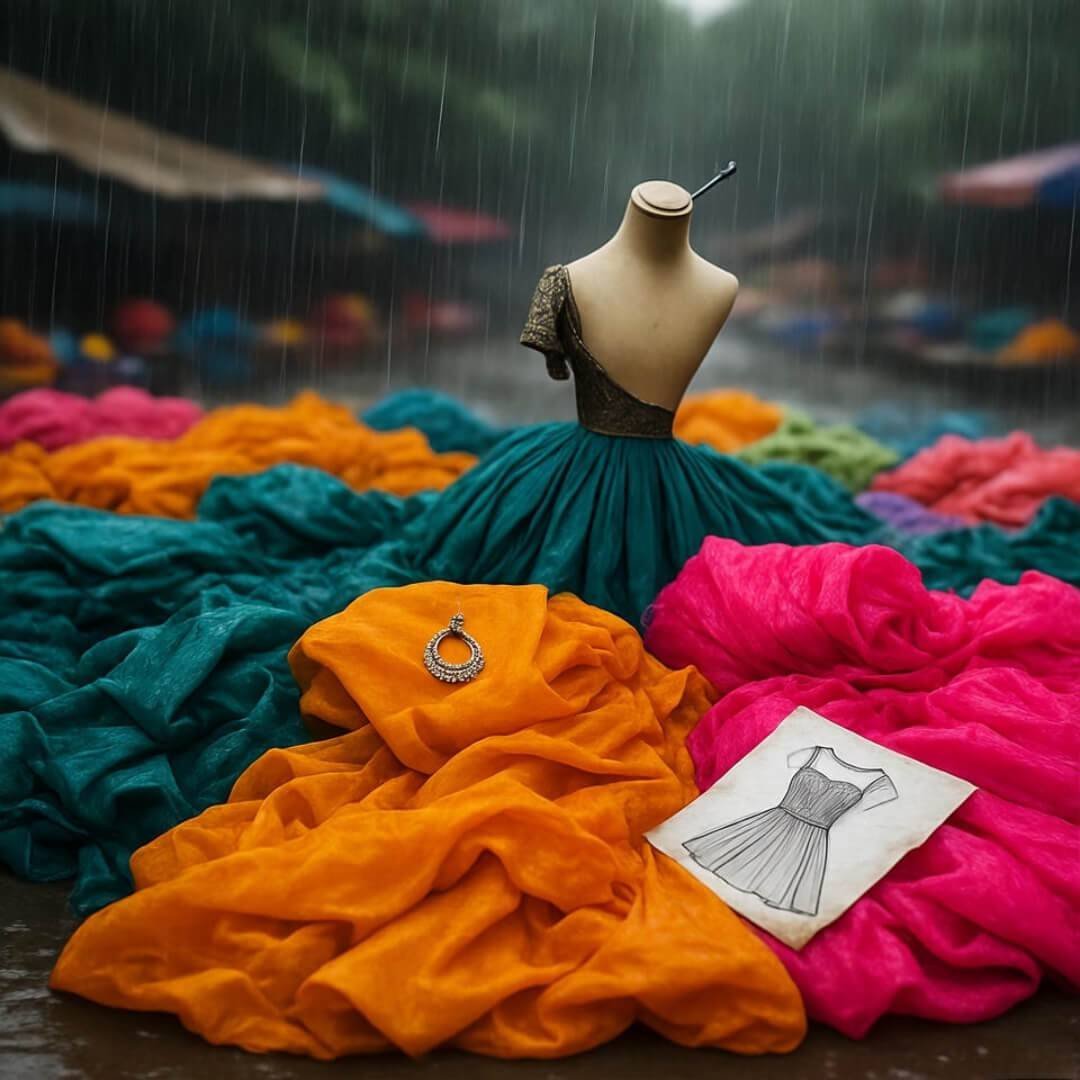
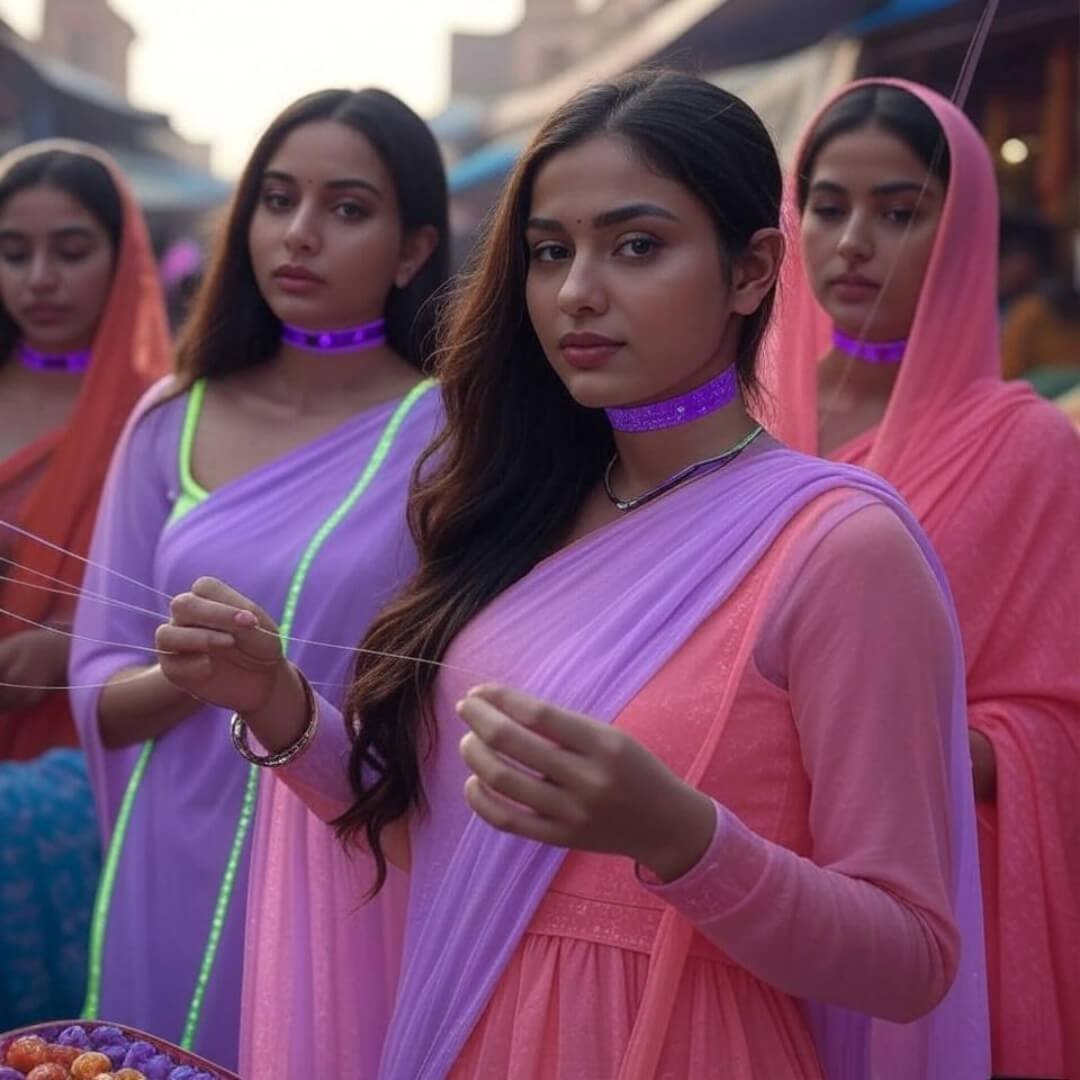
India’s changed me, for real. I went to this textile exhibit in Delhi, surrounded by saris that took months to weave. The air smelled like cotton and history, and it hit me: someone’s hands made this. Not a machine, not a faceless factory. Actual hands. Back home, I never thought about the people behind my clothes. Now, I can’t stop picturing the weaver, the dyer, the tailor. It’s messy, and I still buy dumb stuff sometimes—like, I accidentally got a fast-fashion tee last week—but I’m trying, okay?

Myths About Ethical Clothing I Totally Bought Into
I’ve been suckered by “sustainable” ads, so let me save you some grief:
- Myth: “Organic” means ethical. Nope. Organic cotton can still come from shady factories.
- Myth: Expensive stuff’s ethical. Ha! I spent a fortune on a “designer” jacket—sweatshop vibes. Big oops.
- Myth: Big brands can’t be ethical. Some are trying. Patagonia is super open about their process—kinda inspiring.
How to Buy Ethical Clothing Without Losing Your Mind
Here’s my messy, honest advice, from one confused dude to you:
- Start small. Don’t toss your whole closet. Swap one fast-fashion thing for something ethical. I started with a thrifted hat. Baby steps.
- Do some Googling. Apps like Good On You or Fashion Revolution make it easier to check brands. Wish I’d known sooner.
- Own your screw-ups. I still have fast-fashion stuff. I’m wearing it out before getting better options. No judgment.
- Chat about it. I ask friends about their clothes now. Sounds weird, but it starts cool convos about sustainable fashion.

Wrapping Up My Ethical Clothing Rant
Look, I’m no hero. I’m just a sweaty American in Mumbai, tripping through my kurta, trying to shop smarter. Ethical clothing’s tough—fast fashion’s cheap and shiny, and I’m not perfect. I literally bought a sketchy tee last week by accident. But every time I grab a handwoven scarf or thrift a shirt, it feels like a tiny win. Not flawless, just me trying. Wanna give it a shot? Check out one sustainable brand this week. Tell me how it goes—I’m legit curious!