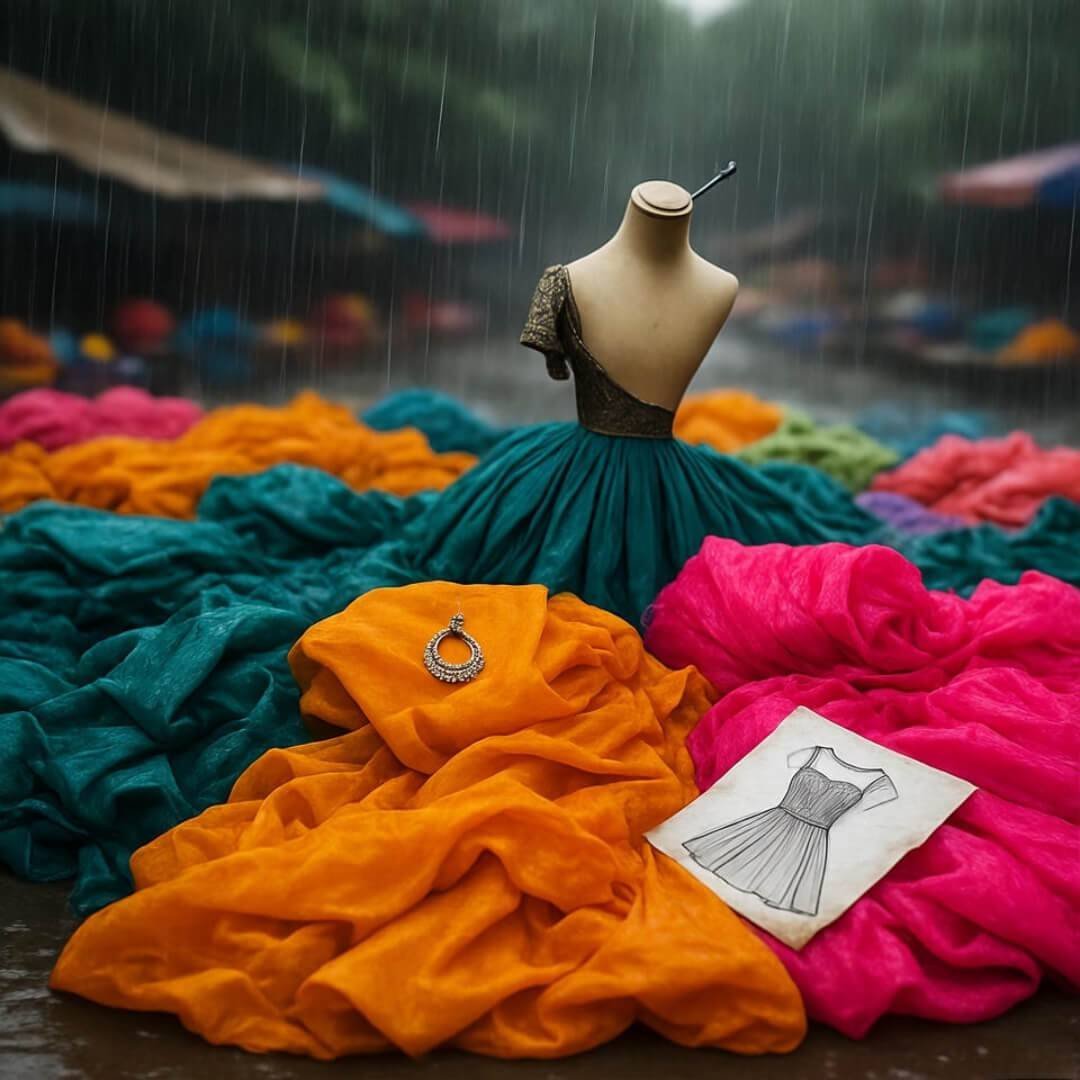
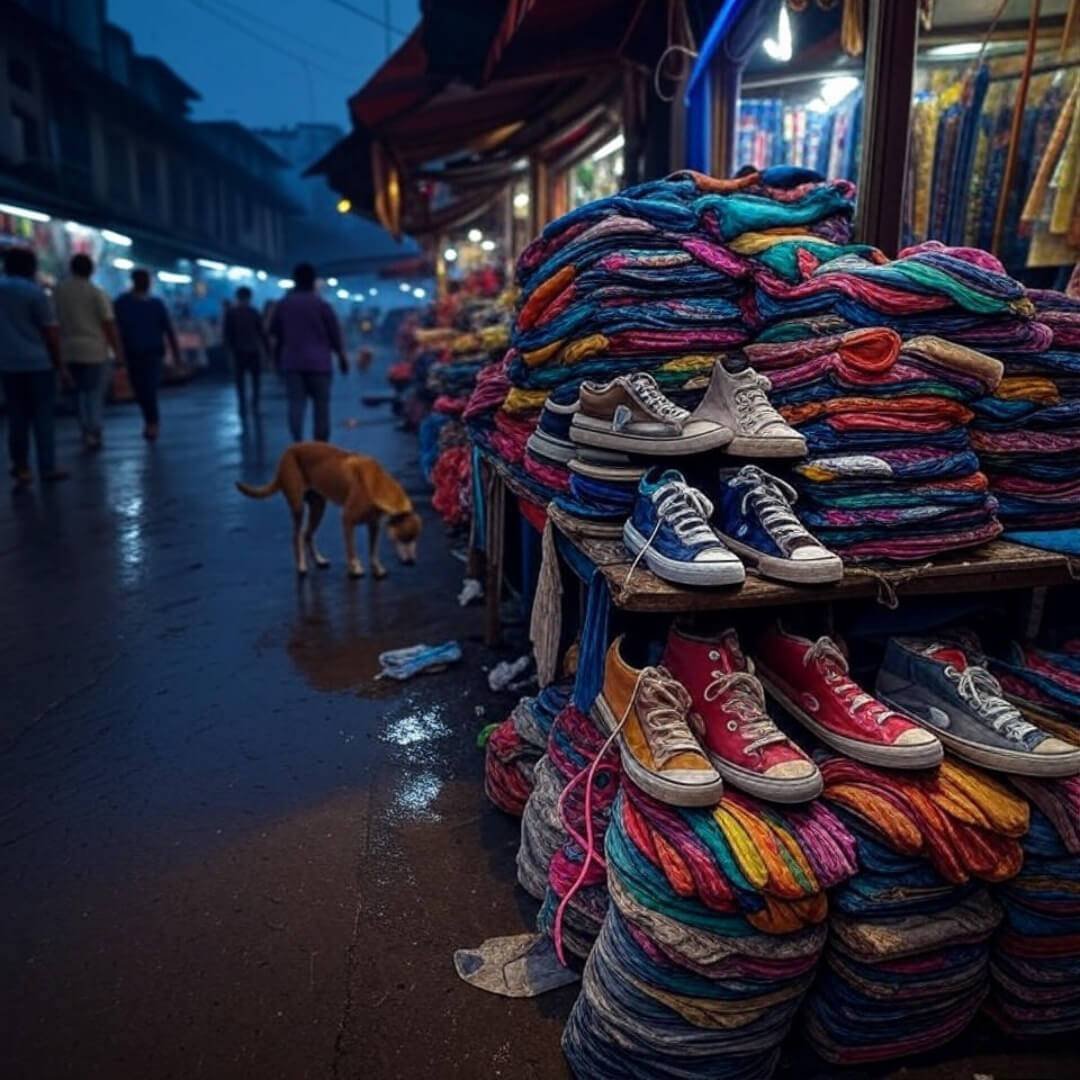




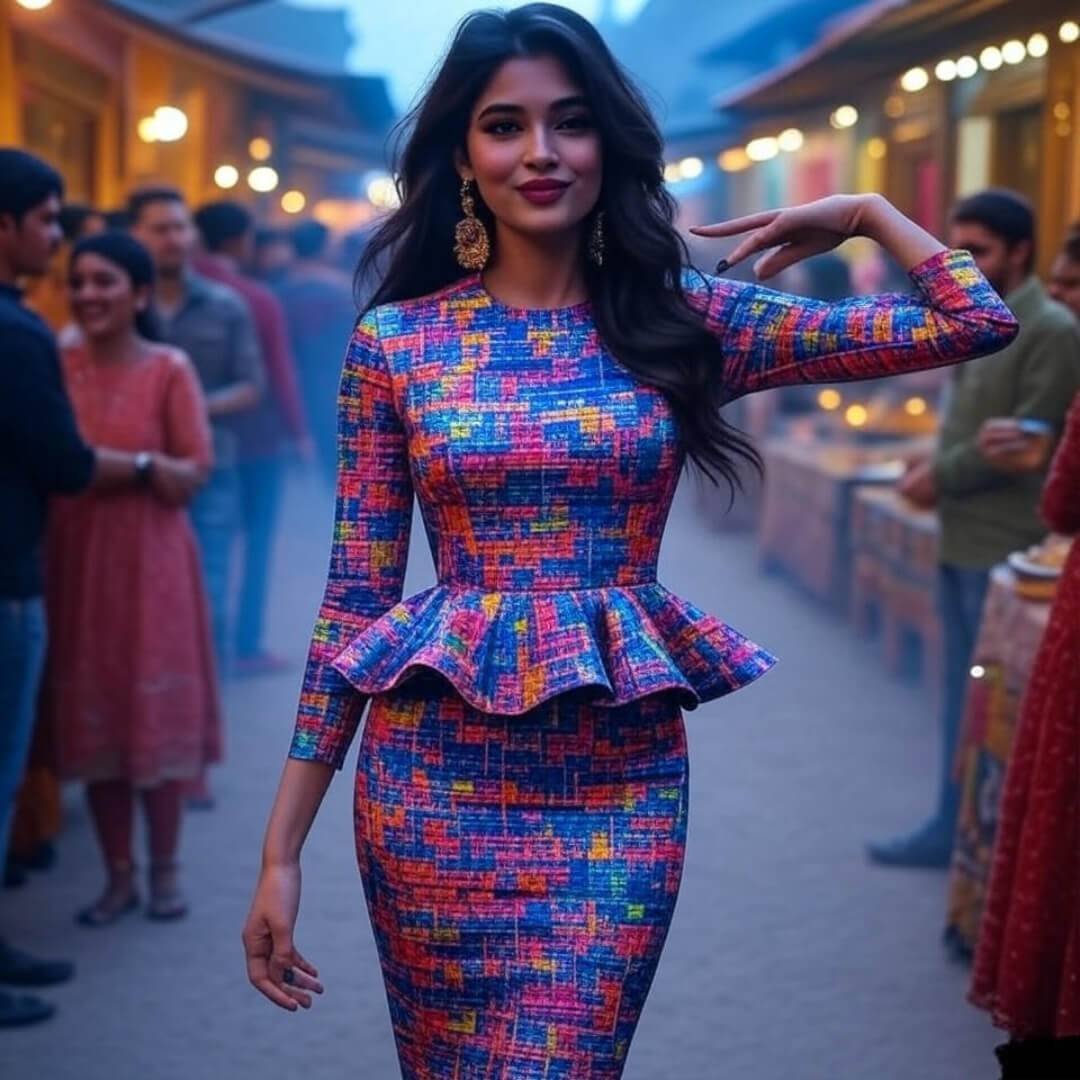
Eco-friendly fabrics are my latest hyperfixation, but I’m, like, a total disaster at this whole green living thing. I’m sprawled out in my tiny Mumbai flat, surrounded by fabric scraps and a spilled chai cup (classic me). The monsoon’s pounding outside, and my room smells like damp clothes and the neighbor’s spicy dal. I’m just an American fumbling through India’s wild textile markets, and my attempts at eco-conscious clothing are… let’s say a work in progress. I once bought a “sustainable” top that was obviously just cheap polyester—major facepalm. So, here’s my messy, human take on seven eco-friendly fabrics you gotta know, with all my screw-ups included.
Why I’m Suddenly All About Eco-Friendly Fabrics
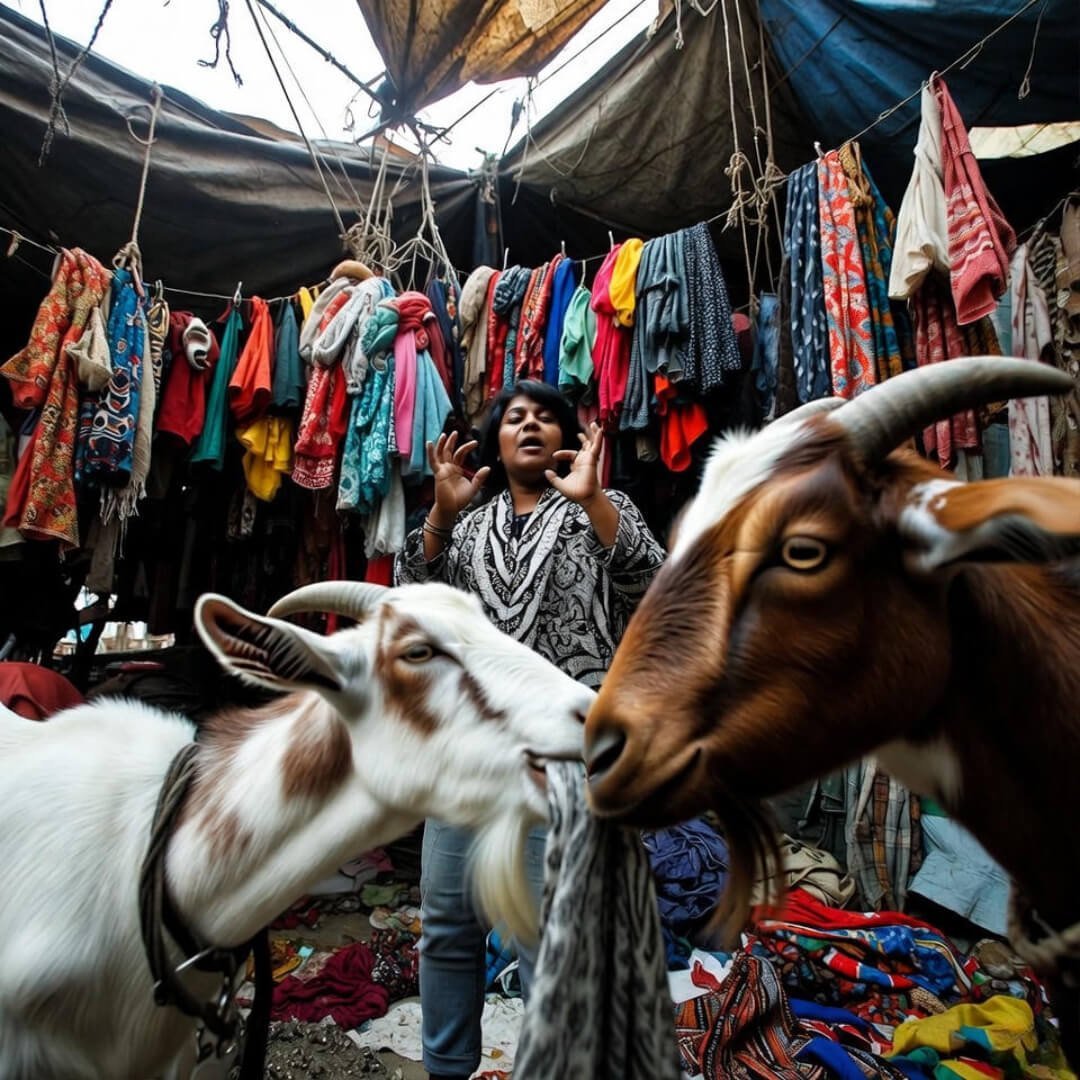
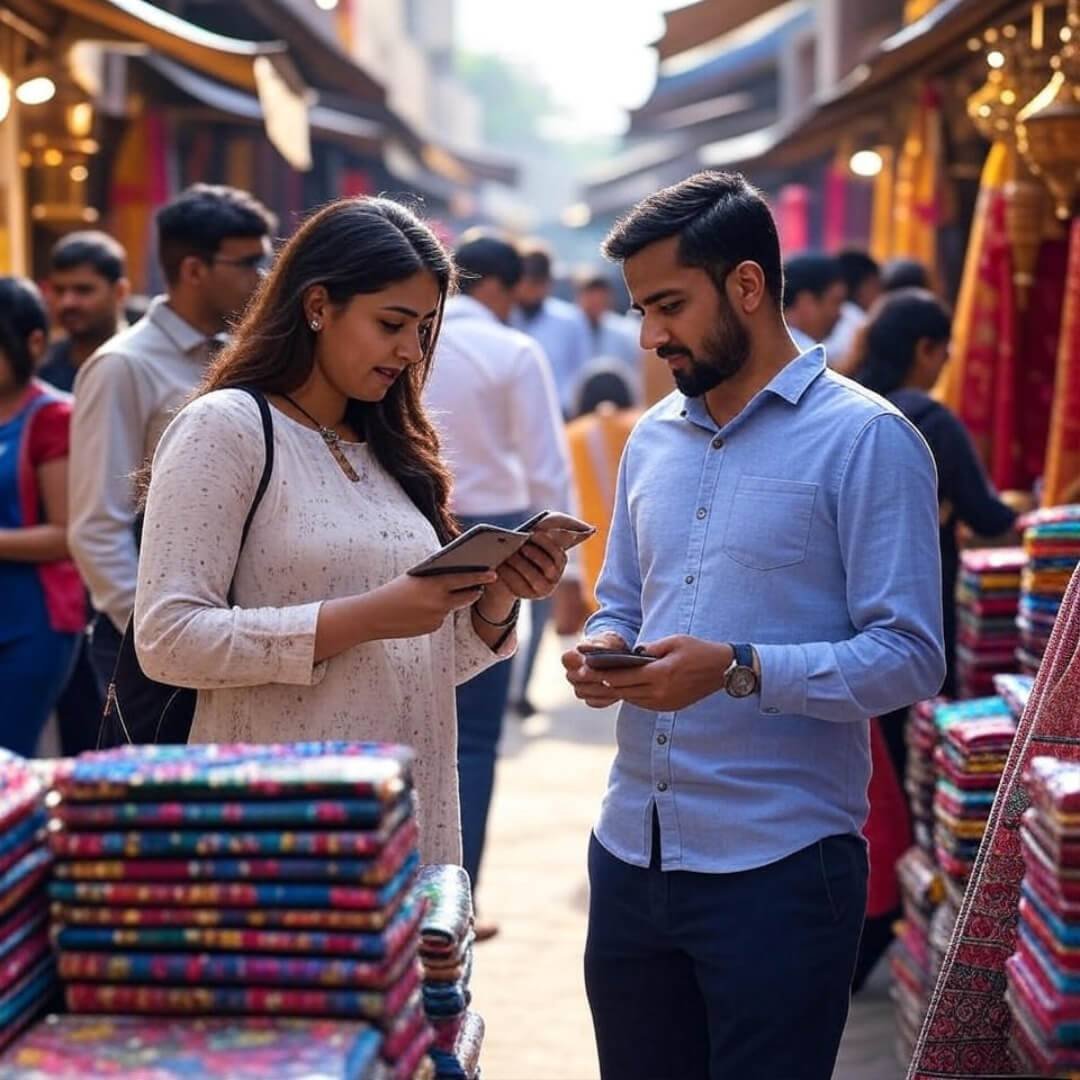
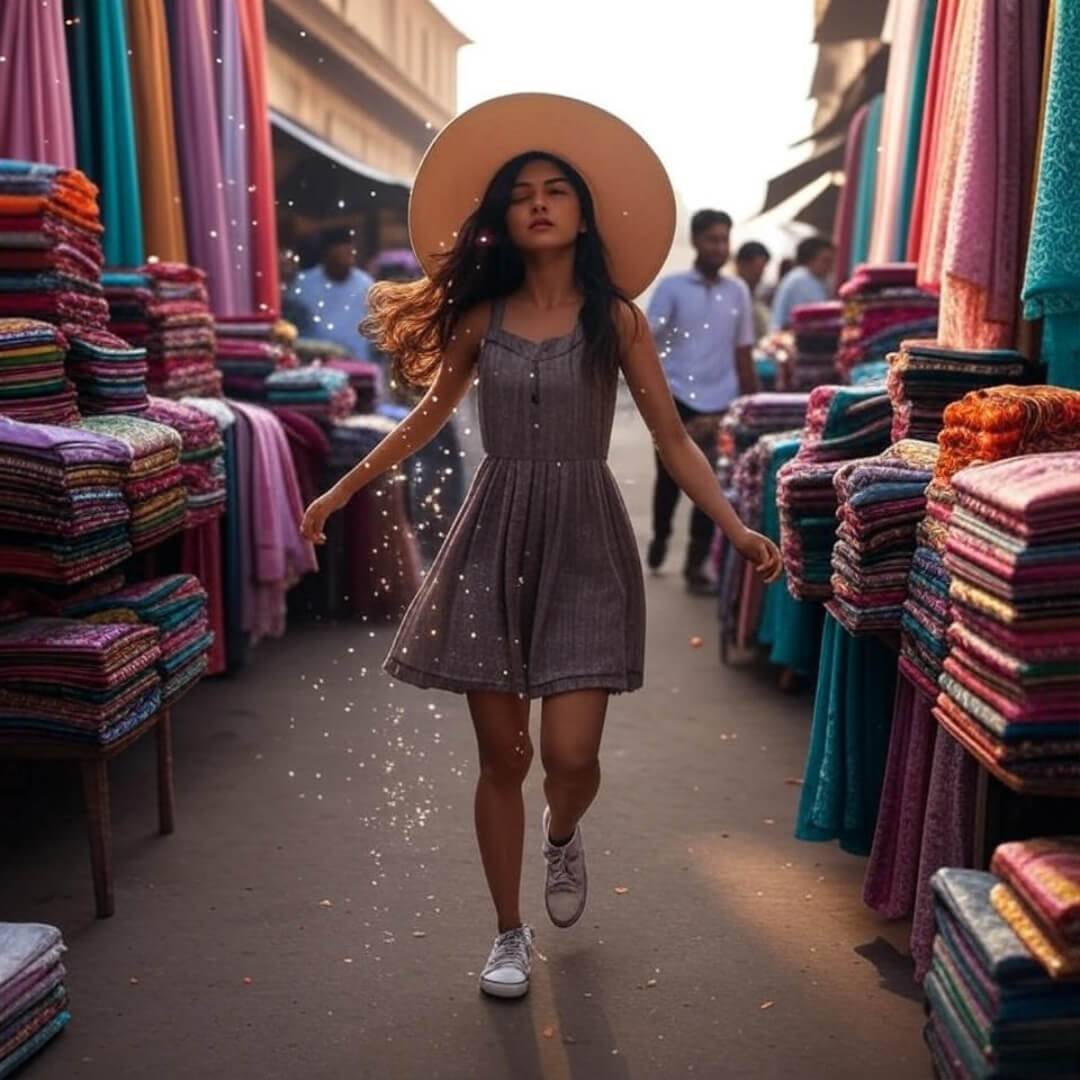
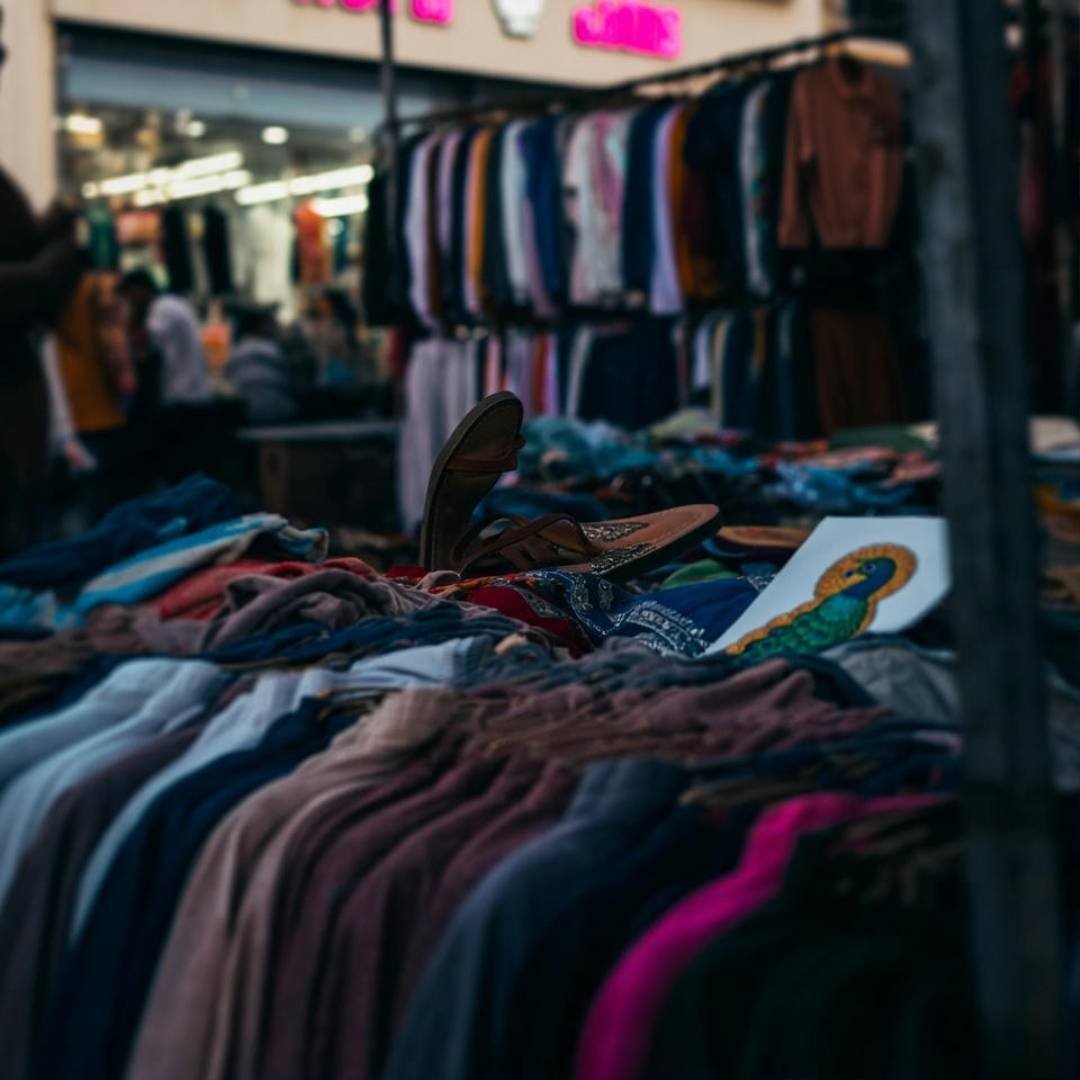
Okay, so I landed in Mumbai a year ago, and the markets here? Straight-up chaos. Piles of bright fabrics, vendors yelling, and the smell of fried vada pav everywhere. I grabbed this organic cotton kurta in Chor Bazaar, thinking I was all eco-savvy, only to find out it was probably dyed with some gross chemicals. Total rookie move. That’s when I started nerding out over sustainable textiles, and, man, it’s a lot to take in. Eco-friendly fabrics aren’t just good for the planet—they’re soft, durable, and make you feel like you’re not totally failing at life (even if I still am, lol). Sustainable Fashion Forum has a great rundown if you’re curious.

What’s the Deal with Eco-Friendly Fabrics?
Eco-friendly fabrics are supposed to not trash the environment—less water, no nasty chemicals, and fair labor vibes. I learned this the hard way after buying a polyester skirt that was basically a walking landfill. Cringe city. Here’s the gist:
- Low-impact stuff: Less water, fewer toxins.
- Renewable or recycled: Like plants or old plastic bottles.
- Ethical production: No sweatshops, thank you very much.
I totally messed up by not reading labels at first—don’t do that. Good On You explains what makes textiles sustainable way better than me.
My 7 Favorite Eco-Friendly Fabrics (and My Fails)
Here’s my list of seven eco-friendly fabrics I’m into right now. I’ve tried most of ‘em, and yeah, I’ve botched plenty. Humans aren’t perfect, and I’m proof of that. Let’s dive in.
1. Organic Cotton: So Soft, But I Ruined It
Organic cotton’s like the coziest eco-friendly fabric out there. No pesticides, super gentle on the earth. I snagged an organic cotton saree in Bandra, and it’s so comfy I wanna live in it. But then I spilled curry on it during a cooking fail—don’t even ask, I’m a terrible cook. Hand-wash this stuff, or you’ll cry like I did. Good On You has the lowdown on why organic cotton’s awesome.
2. Hemp: Kinda Scratchy but Super
Hemp is stupidly sustainable—grows fast, barely needs water, no pesticides. I got a hemp tote from a local shop, and it’s tough as nails. Problem? It’s rough, and I felt like a wannabe hippie carrying it around Juhu. Now I’m obsessed, though—it’s great for lugging stuff through Mumbai’s chaos. Treehugger breaks down why hemp’s so eco-friendly.
3. Tencel (Lyocell): Silky but I’m Clueless Eco-Friendly Fabrics
I bought a Tencel shirt online, thinking I’d look all put-together for a meeting. Yeah, no—I wore it backward the first time ‘cause I was half-asleep. It’s silky smooth and eco-friendly, so I’m into it. EcoWatch has a solid explainer on Tencel’s green cred.
4. Recycled Polyester: Plastic but Make It Better Eco-Friendly Fabrics
I was super skeptical about recycled polyester—plastic, seriously? But it’s made from old bottles, which keeps junk outta landfills. I thrifted a recycled polyester scarf, and it’s honestly kinda fire. Still, microplastics are a thing, so it’s not perfect, and I felt like a fraud at first. Fashion Revolution talks about why recycled materials are a big deal.

5. Bamboo: Soft but Shady Sometimes Eco-Friendly Fabrics
Bamboo fabric is so soft, like organic cotton’s cooler sibling. It’s renewable, but some processing methods are iffy with chemicals. I tried sewing a bamboo headscarf, and my stitches were so bad my roommate legit laughed at me. It’s perfect for Mumbai’s humidity, though. Look for “closed-loop” bamboo to keep it green. The Good Trade spills the tea on bamboo’s pros and cons.
6. Linen: Wrinkly and I Love It
Linen’s made from flax, super low-maintenance and biodegradable. I wore a linen kurta to a wedding, thinking I’d be all elegant. Nope—sweated through it in like five minutes flat. It’s breathable and gets softer with every wash, so I’m hooked. Vogue has a piece on linen’s eco-chic vibe if you’re into that.
7. Jute: Not Just for Potato Sacks
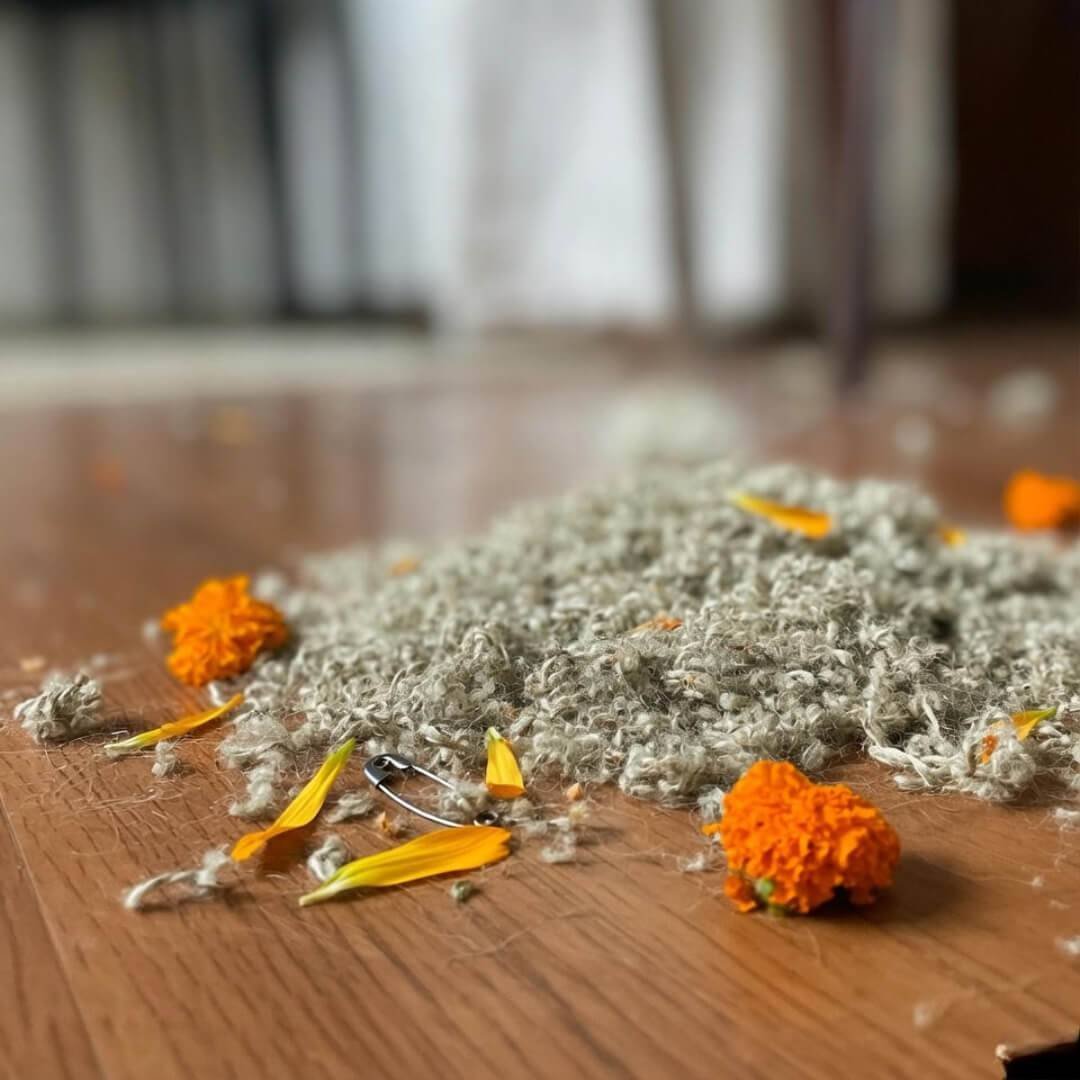
Jute’s that rough, earthy fabric you see in burlap, but it’s popping up in fashion. I tried making a jute placemat, and it was a total disaster—fibers all over my floor, ugh. I saw some dope jute bags at a market near Marine Drive—gonna grab one soon. Eco Warrior Princess dives into jute’s sustainability.
My Epic Fails with Eco-Friendly Fabrics Eco-Friendly Fabrics
I’m no expert, okay? I’ve screwed up so much. Like, I tried “upcycling” a polyester blend shirt into a tote, only to realize it was the opposite of eco-friendly. Or that time I bought a “sustainable” dress online that was straight-up greenwashed garbage. My tips? Check for GOTS certification, research brands, and don’t try sewing hemp at 1 a.m. with a dull needle—it’s a nightmare, trust me.

How to Try Eco-Friendly Fabrics Without Losing It
Wanna get into eco-conscious clothing? Don’t stress, just start small:
- Swap one item: Ditch fast-fashion tees for organic cotton or Tencel.
- Thrift like a pro: Hunt for natural fibers at secondhand stalls.
- Wash smart: Cold water, air dry—saves energy and your stuff.
- Ask questions: Where’s this fabric from? How’s it made?
I’m still a mess—my apartment’s a jungle of fabric scraps and half-done projects—but every eco-friendly swap feels like a win.
Wrapping Up My Eco-Friendly Fabrics Obsession Eco-Friendly Fabrics
So, yeah, eco-friendly fabrics are my thing right now, and I’m low-key obsessed with how they’re changing fashion. I’m no eco-warrior—my closet’s got some fast-fashion skeletons—but learning about sustainable textiles is kinda life-changing. The chaos of Mumbai’s markets, the feel of linen on my skin, the shame of my curry-stained saree—it’s all me. Wanna try this eco stuff? Hit up a local market, feel some green fabrics, and maybe don’t spill chai on ‘em like I did. What’s your fave eco-friendly fabric? Tell me in the comments, I’m all ears!